




Overview
Cairo View:
- GEM ( Grand Egyptian Museum)
- Civilization Museum
- Cidadel of Salah Eldeen
- Alabaster Mosque
- Pyramids
- Sphinx
- Memphis
- Sakkara
- Old Cairo
- Khan Al - Khalili
- Alexandria
- Faiyum
Cruise Sightseeing:
- Karnak Temple
- Luxor Temple
- New Sphinx avenue
- Hatshepsut Temple
- Valley of Kings
- Memnon
- Edfu Temple
- Kom ombu Temple
- Aswan High Dam
- Philae Temple
Short itinerary
Quick route overview-
1
Day 1
Monday l Welcome to Egypt!
- Upon your arrival at Cairo International Airport, an airport representative will meet you and assist with your “meet and greet” service. The representative will facilitate process at the airport for you. Here an airport representative will help you connect with your private transfer to your hotel. Where you can settle in and relax after your journey.
-
2
Day 2
Tuesday l First step into History: Grand Egyptian Museum, the Pyramids of Giza & the Great Sphinx.
- Set out today on a private journey through Cairo’s most remarkable sights, starting with a visit to the Grand Egyptian Museum, the largest archaeological museum in the world. Explore its vast halls filled with over 100,000 ancient artifacts, where you can admire extraordinary pieces from daily life, royal history, and religion in ancient Egypt. A major highlight is the collection of Tutankhamun, featuring rare treasures that are being displayed together for the first time.
- Then enjoy a delicious lunch at a cozy local restaurant .
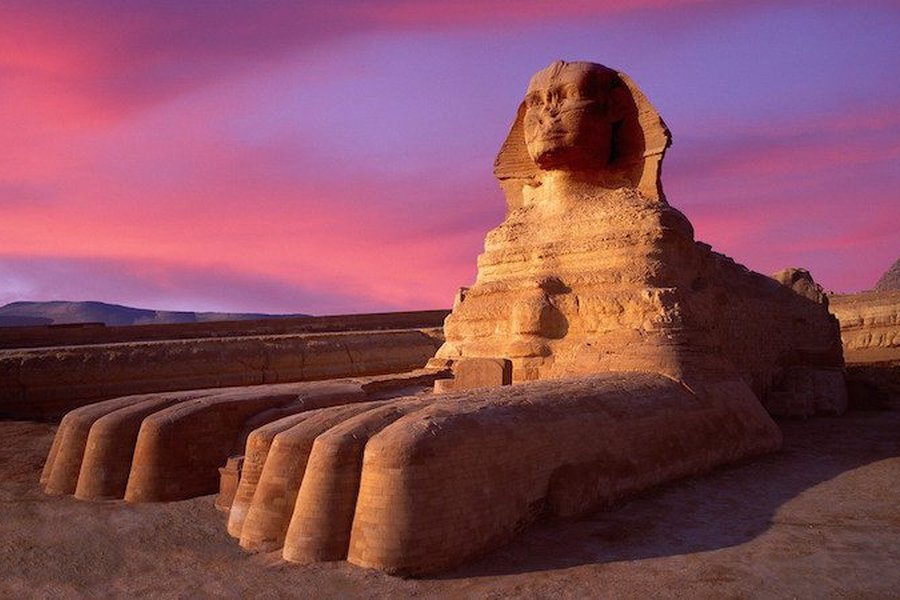
- Continue your tour toward the Giza Plateau, where the iconic pyramids of Khufu, Khafre, and Menkaure rise from the desert in breathtaking grandeur. Take in the sheer scale and history of these ancient wonders before visiting the awe-inspiring Great Sphinx of Giza, a timeless guardian carved from stone, whose mysterious expression has fascinated visitors for generations.
-
3
Day 3
Wednesday l Spiritual Cairo, Memphis & Saqqara: Echoes of Faith and Ancient Glory.
- Step into the quieter, sacred corners of Cairo on a journey through Spiritual Cairo, where history and devotion intertwine. Begin at the El Muallaqa Church, perched atop the south gate of the Fortress of Babylon. Its name, meaning “suspended” or “hanging,” evokes its unique location and the resilience of faith: destroyed by a ninth-century earthquake, it rose again in the eleventh century to become a cornerstone of the Coptic Church. Walk through its ancient stones and feel the whispers of centuries of devotion.
- Next, discover the Ben Ezra Synagogue, a hidden gem built between the sixth and ninth centuries. Within its walls lies the Jewish Heritage Library, home to documents that reveal the lives, struggles, and resilience of Cairo’s Jewish community under Arab rule. As you explore, imagine the hands that preserved these stories and the generations who sought solace here.
- Pause for lunch at a local restaurant, where the flavors of traditional Egyptian cuisine complement the richness of the morning’s discoveries.
- In the afternoon, journey back in time to Memphis, the legendary city founded around 3,100 BC by King Menes, the unifier of Upper and Lower Egypt. Once a fortress overseeing the life-giving Nile and vital trade routes, Memphis grew into a bustling hub of power and culture. Walk the ancient streets in your imagination, tracing the footsteps of kings, priests, and travelers across millennia.
- Continue to Saqqara, the sprawling necropolis of Memphis, where the first and second dynasty kings rest in silent grandeur. Recent discoveries — including a prime minister’s tomb, a queen’s pyramid, and the tomb of a dynasty-founding king’s son — bring stories of adventure, intrigue, and painstaking archaeology to life. Here, every stone tells a tale, every pyramid a lesson in ambition, legacy, and the unyielding human desire to be remembered.
-
4
Day 4
Thuresday l Full-day Fayoum Oasis Escape: A Journey Through Nature, History, and Hidden Wonders.
- Set off from your hotel on a scenic drive to the lush oasis of Fayoum, where history and nature blend in a truly unique landscape. Begin your exploration at the Kom Aushim Museum, a fascinating introduction to the region’s past, showcasing artifacts from prehistoric times through the Greco-Roman era, including the renowned Fayoum portraits.
- Continue to the ancient city of Karanis, once a thriving Greco-Roman settlement founded in the 3rd century BC, where the ruins of temples and homes still echo stories of its former inhabitants.
- Then head to Hawara Pyramid, the site of Amenemhet III’s pyramid complex from the 12th Dynasty, rich with historical intrigue.
- Enjoy a relaxing lunch by the tranquil shores of Lake Qarun, a serene setting steeped in legend and natural beauty.
- In the afternoon, venture into the stunning landscapes of Wadi El Rayan, known for its sweeping desert views and Egypt’s only waterfalls, formed when the depression was transformed into a reservoir.
- After a day filled with discovery and breathtaking scenery, return comfortably to Cairo in the evening.
-
5
Day 5
Friday l Sailing the Timeless Nile:
- Early morning, you will arrive at Cairo International Airport to catch the flight to Aswan.
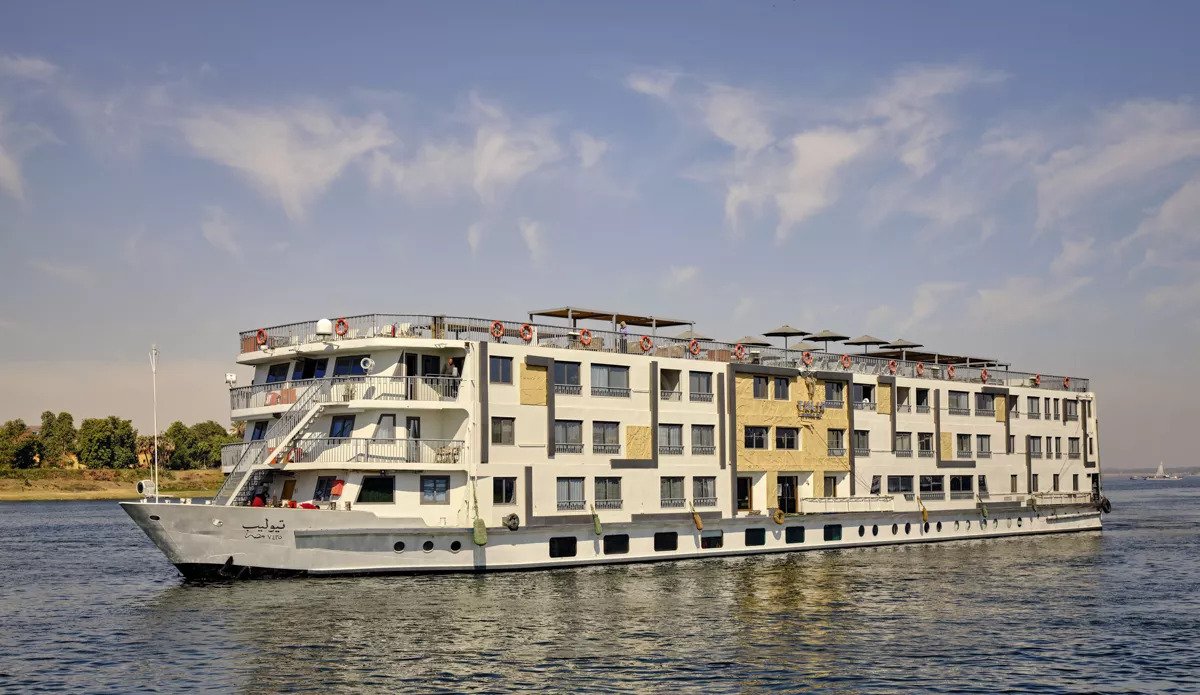
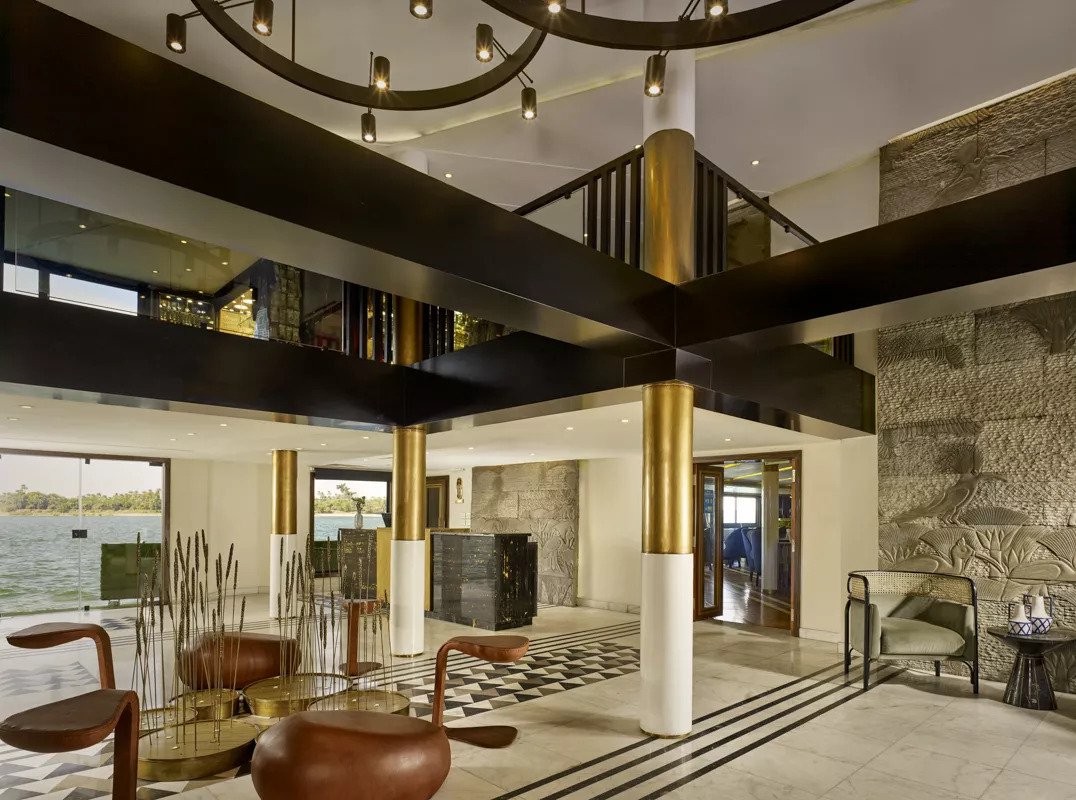
- Upon arrival, you will then reach the luxuries Nile Cruise, where you will spend the next three nights, to start your relaxing tour sailing from Aswan to Luxor.
- After lunch, begin your Nile cruise excursion with a visit to the impressive Aswan High Dam, a remarkable engineering achievement built in the 1960s that transformed Egypt by providing vital irrigation and electricity. From the top of the dam, enjoy panoramic views over Lake Nasser, the huge reservoir created by its construction, stretching far into the desert .
- Continue on to the beautiful Philae Temple, which was carefully dismantled and relocated to Agilkia Island to protect it from flooding. Dedicated to the goddess Isis, the temple complex is set in a peaceful and scenic location, featuring elegant structures such as Trajan’s Kiosk and the Temple of Hathor, all rich in history and mythology.
- At night you may choose the Optional breathtaking Sound and Light show at Philae Temple, a magical introduction to Egypt’s legendary history.
-
6
Day 6
Saturday l Temples Along the River:
- Optional Tour to Abu Simpel by bus.
- We will sail to Kom Ombo in the early morning and visit the Temple of Kom Ombo. visit Kom Ombo Temple (the Ptolemaic Temple of Sobek & Haroeries). Located in the town of Kom-Ombo, about 28 miles north of Aswan, the Temple, dating to the Ptolemies, is built on a high dune overlooking the Nile. The actual temple was started by Ptolemy VI Philometor in the early second century BC. Ptolemy XIII built the outer and inner hypostyle halls. The outer enclosure wall and part of the court were built by Augustus sometime after 30 BC, and are mostly gone. There are also tombs from the Old Kingdom in the vicinity of Kom-Ombo village.
- Sail to Edfu for having dinner and overnight.
-
7
Day 7
Sunday l The Glory of Thebes:
- Arrive at Edfu and visit the Temple of Edfu. We will then be back to the Nile Cruise to have lunch while heading to Luxor.
- In the afternoon, we will visit Luxor East Bank beginning with the outstanding Karnak Temple. Afterward, the Temple of Luxor will be our next stop.
- You will visit Karnak Temple, in ancient Egypt, the power of the god Amun of Thebes gradually increased during the early New Kingdom, and after the short persecution led by Akhenaten, it rose to its apex. In the reign of Ramesses III, more than two-thirds of the property owned by the temples belonged to Amun, evidenced by the stupendous buildings at Karnak. Although badly ruined, no site in Egypt is more impressive than Karnak. It is the largest temple complex ever built by man and represents the combined achievement of many generations of ancient builders. The Temple of Karnak is three main temples, smaller enclosed temples, and several outer temples located about three kilometers north of Luxor, Egypt situated on 100 ha (247 acres) of land. Karnak is the site's modern name. Its ancient name was Ipet-it, meaning "The Most Select (or Sacred) of Places". This vast complex was built and enlarged over a thirteen-hundred-year period. The three main temples of Mut, Montu, and Amun are enclosed by enormous brick walls.
- Proceed to visit the Temple of Luxor, built by the two pharaohs, Amenhotep III and Ramses II. Ancient Thebes was a center of festivals, and the Temple of Luxor was the setting for the most important-the festival of Opet, designed to merge the ruler`s human and divine aspects. The temple was dedicated to Amun-Ra, whose marriage to Mut was celebrated annually when the sacred procession moved by boat from Karnak to Luxor Temple.
- In the evening, you may choose the optional Sound & Light show at Karnak Temple, bringing history to life with lights and music.
-
8
Day 8
Monday l Valleys of the Pharaohs:
- Optional Hot Air balloon.
- Breakfast will be served on the Nile Cruise, and then we will proceed to the checkout.
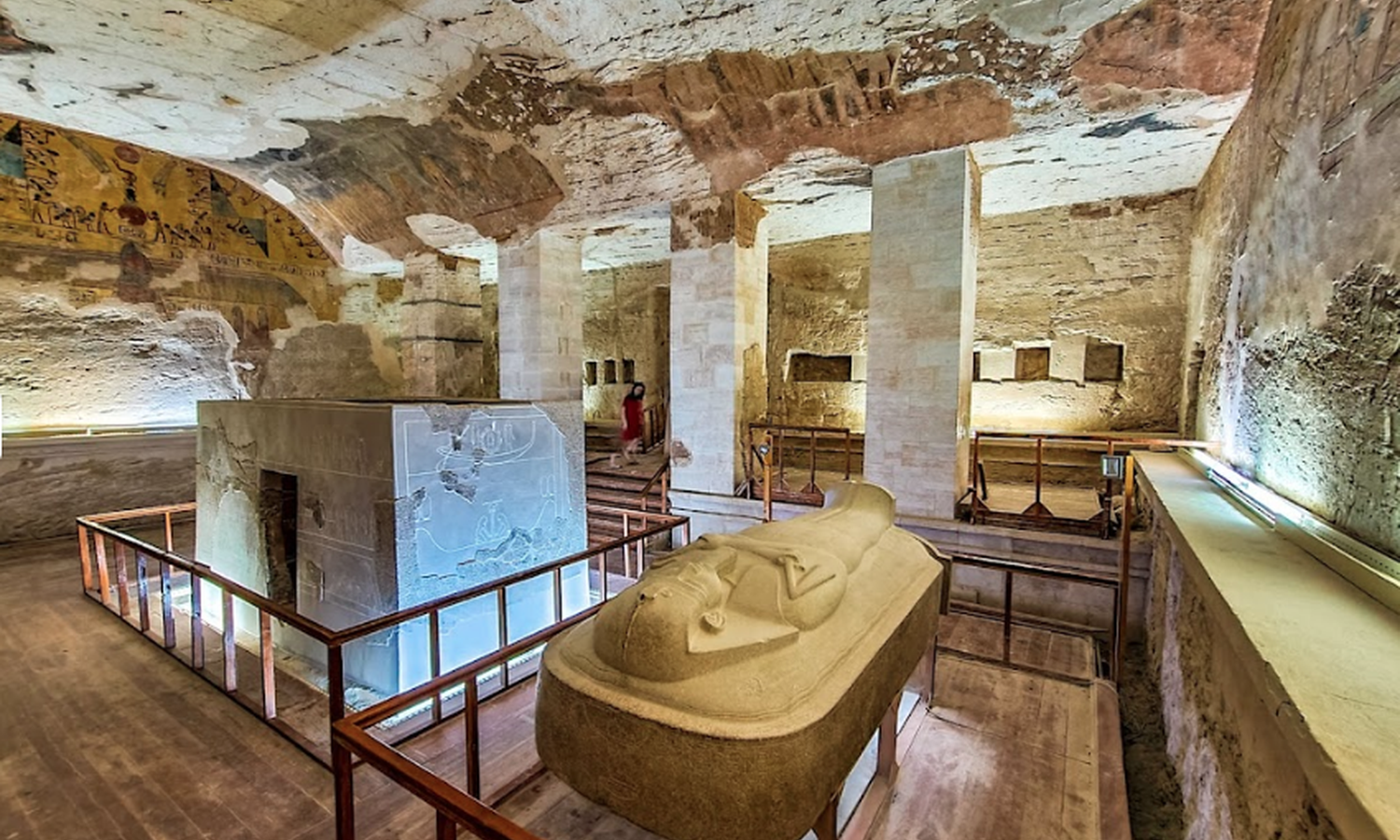
- Early morning, visit Luxor West Bank necropolis including the Valley of the Kings, Including the unique two tombs of Rameses V & VI, the Mortuary Temple of Queen Hatshepsut, and Colossi of Memnon.
- The West Bank necropolis including the Valley of the Kings, with its many tombs, chiseled deep into the Cliffside. From the 18th to the 20th Dynasty, the Memphis area and pyramid-style tombs were abandoned in favor of the West Bank of the Nile in Thebes. Several great leaders as well as many less important rulers are buried here, and more tombs are being discovered even today. This is where Howard Carter discovered the treasures of Tutankhamun and was struck "dumb with amazement" when he beheld its "wonderful things" in 1922.
- Proceed to the funerary temple of Queen Hatshepsut at Deir El Bahari. The mortuary temple of Queen Hatshepsut is one of the most dramatically situated in the world. The queen`s architect, Senenmut, designed it and set it at the head of a valley overshadowed by the Peak of the Thebes, the "Lover of Silence," where lived the goddess who presided over the necropolis. The last stop for our morning tour will be at the Colossi of Memnon. Amenhotep III (18th Dynasty) built a mortuary temple in Thebes that was guarded by two gigantic statues on the outer gates. All that remains now are the 23 meters (75 ft.) high, one-thousand-ton statue of Amenhotep III. Though damaged by nature and ancient tourists, the statues are still impressive.
- The last stop for our morning tour will be at the Colossi of Memnon. Amenhotep III (18th Dynasty) built a mortuary temple in Thebes that was guarded by two gigantic statues on the outer gates. All that remains now are the 23-meter (75 ft.) high, one-thousand-ton statues of Amenhotep III. Though damaged by nature and ancient tourists, the statues are still impressive.
- Flight to Cairo.
-
9
Day 9
Tuesday l Full-Day Alexandria Tour:
- Start your over-day excursion to Alexandria by private car & accompanied by an English-speaking Egyptologist. The first stop will be at the Alexandria National Museum, one of our new master sites nowadays. It is inaugurated by the Egyptian President, Hosni Mubarak, on 31st of December 2003. The national museum located in a restored palace contains about 1,800 artifacts pieces of antiquities that narrate the history of Alexandria throughout the ages, Pharaonic, Roman, Coptic, and Islamic eras, and some modern pieces, Mummies are shown in a special underground chamber (basement). And some of the items found during the archaeological underwater excavations in Alexandria are now on the same floor as the Greco roman artifacts.
- Next, we will visit the Catacomb of Alexandria which is really one of the master sites here in Alexandria. Kom el-Shouqafa lies in the district of Karmouz to the east of Alexandria the area was called Kom El Shouqafa or a pile of shards, Catacombs in Alexandria are called the catacomb as well because of their design, which was very similar to the Roman Christian Catacombs. Most likely it was a private tomb and later converted into a public cemetery. It consists of 3 levels cut into the rock, a staircase, a rotunda, the triclinium or banquette hall, a vestibule, an antechamber, and the burial chamber with three recesses In, wherein each recess there is a sarcophagus. The Catacomb also contains a large number of Luculi or grooves cut into the rock.
- Proceed to the Roman Amphitheater. It a modest in size and most of the part of the structure is in ruined condition but still, it is an excellent ancient structure of the Roman period of Egypt. The theatre also consists of numerous galleries erected crudely. These galleries contain rooms for more spectators along with the arrangement of 700-800 marble seats around the stage. The Roman Amphitheatre was discovered in the excavations done for the site of Paneion or "Park of Pan" in Kom el-Dikkah also known by the name of Hill of Rubble. In the layers above the roman street, two other archaeological sites were found. These were a Muslim Cemetery and slums.
- Stop for lunch then continue to our last stop at the Alexandria Library. The modern Alexandria Library or the Bibliotheca Alexandrina as once called in Ancient Egypt is located on a magnificent site in the Eastern Harbor, facing the sea on the north, and Alexandria University Complex on its southern side. It is very close to the location of the Ancient Library in the Brucheion (the Ancient Royal Quarter), as verified by the 1993 archeological survey. The Bibliotheca Alexandrina was inaugurated in 2003 near the site of the old library. The building consists of 11 levels with a total level area of 85,405 m2. The library's main reading area which can accommodate 2000 users occupies 7 levels with a total area of 13,625 m2. The Library has 2 main museums (the manuscript museum and the Antiquities museum) and a Science center in the shape of a sphere and called the Planetarium. Return to Cairo.
-
10
Day 10
Wednesday l Heart of Cairo (National Museum of Egyptian Civilization, Old Cairo, Citadel of Salah Eldeen):
-
Start the day with a visit to the first authentic museum of civilization in Egypt. The National Museum of Egyptian Civilization (NMEC) with 50,000 artifacts from the dawn of civilization to the present day.
-
Then, we will stop to have lunch in one of Cairo's best restaurants.
-
Continue the Cairo tour with a visit to The Citadel of Mohamed Ali (the Fortress of Salah al-Din al-Ayyubi), built in 1183 and overlooking the city from the Muqattam Hills. The structure, with its domes and minarets, looks over a number of important buildings, including the Alabaster Mosque. Its domed interior, used by Moslems for daily prayers, is a spectacular sight of twinkling lights and beautiful mosaics.
-
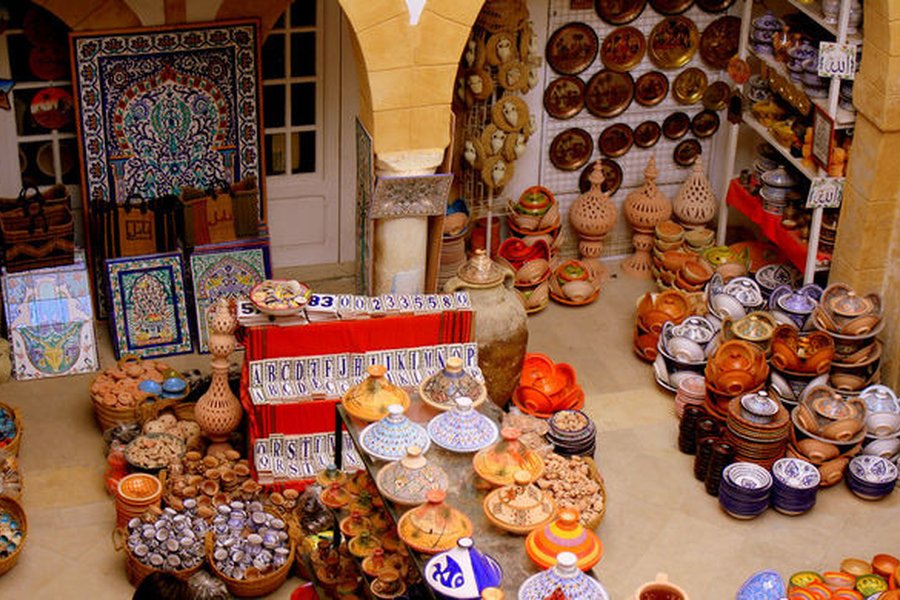
A free tour in Khan Al-Khalili Market, which is one of the oldest and oldest Egyptian markets, where it is fun to shop and enjoy watching various Egyptian antiques and gifts throughout historical times, where you can buy souvenirs for you and your friends to remind you of your trip in Egypt.
-
-
11
Day 11
Thursday l Farewell, Egypt:
- After breakfast, enjoy a private transfer from your hotel to Cairo International Airport for your onward journey.
Your Experience Map
Detailed Itinerary
Day 1
Monday l Welcome to Egypt!
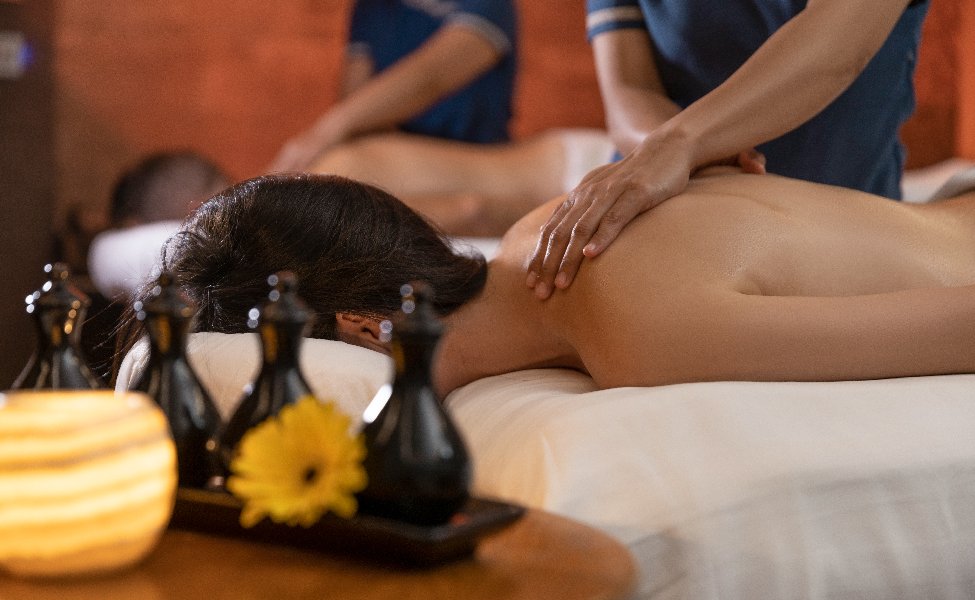
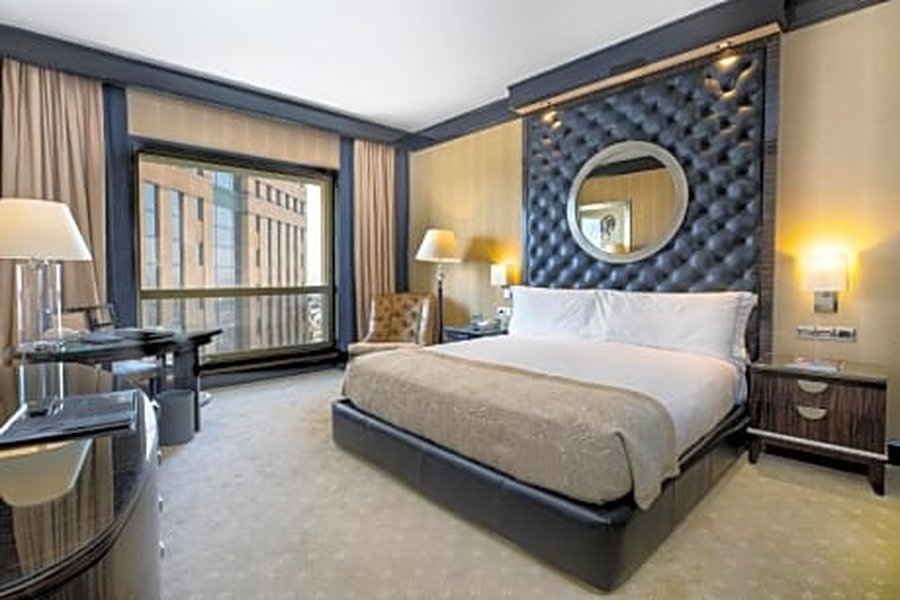
- Upon your arrival at Cairo International Airport, an airport representative will meet you and assist with your “meet and greet” service. The representative will facilitate process at the airport for you. Here an airport representative will help you connect with your private transfer to your hotel. Where you can settle in and relax after your journey.


Day 2
Tuesday l First step into History: Grand Egyptian Museum, the Pyramids of Giza & the Great Sphinx.
- Set out today on a private journey through Cairo’s most remarkable sights, starting with a visit to the Grand Egyptian Museum, the largest archaeological museum in the world. Explore its vast halls filled with over 100,000 ancient artifacts, where you can admire extraordinary pieces from daily life, royal history, and religion in ancient Egypt. A major highlight is the collection of Tutankhamun, featuring rare treasures that are being displayed together for the first time.
- Then enjoy a delicious lunch at a cozy local restaurant .
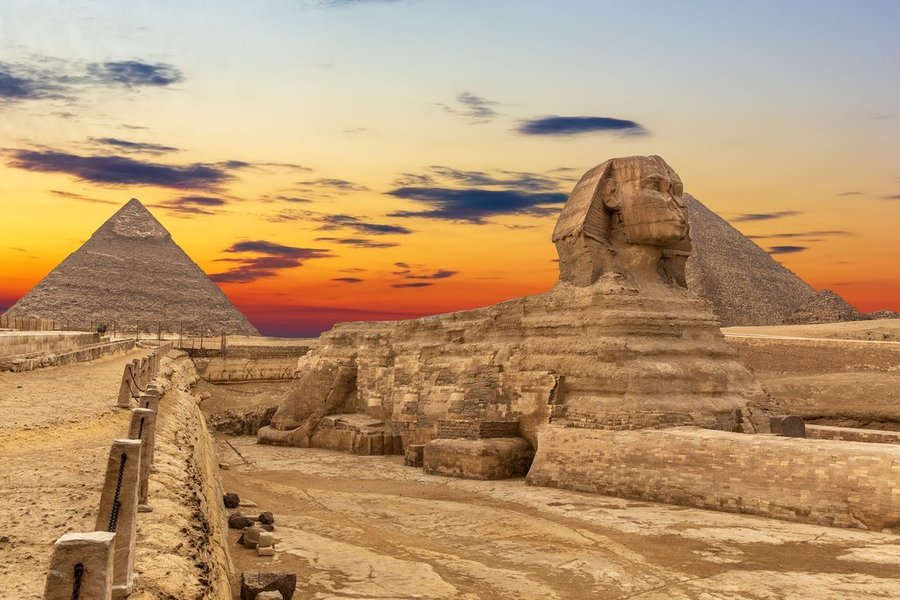
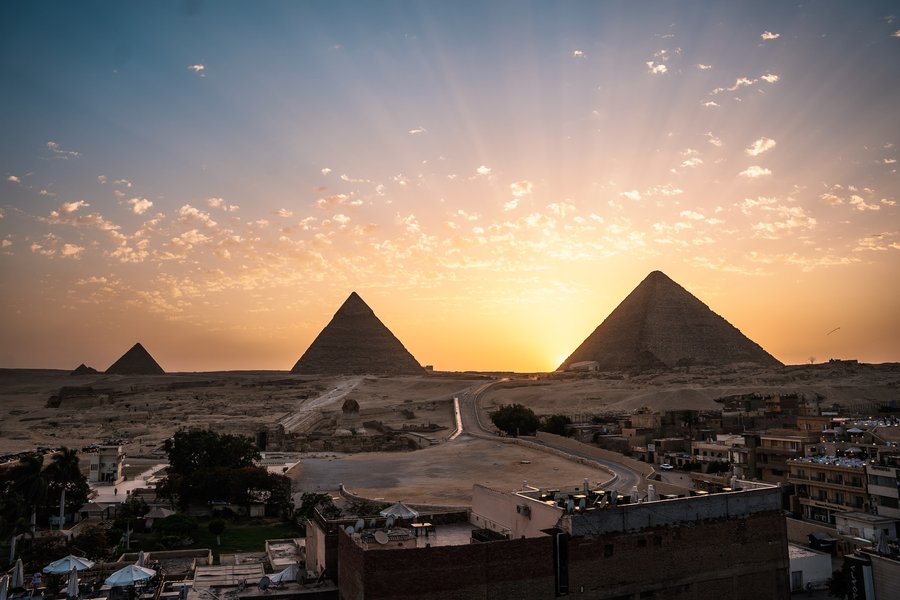
- Continue your tour toward the Giza Plateau, where the iconic pyramids of Khufu, Khafre, and Menkaure rise from the desert in breathtaking grandeur. Take in the sheer scale and history of these ancient wonders before visiting the awe-inspiring Great Sphinx of Giza, a timeless guardian carved from stone, whose mysterious expression has fascinated visitors for generations.



Day 3
Wednesday l Spiritual Cairo, Memphis & Saqqara: Echoes of Faith and Ancient Glory.
- Step into the quieter, sacred corners of Cairo on a journey through Spiritual Cairo, where history and devotion intertwine. Begin at the El Muallaqa Church, perched atop the south gate of the Fortress of Babylon. Its name, meaning “suspended” or “hanging,” evokes its unique location and the resilience of faith: destroyed by a ninth-century earthquake, it rose again in the eleventh century to become a cornerstone of the Coptic Church. Walk through its ancient stones and feel the whispers of centuries of devotion.
- Next, discover the Ben Ezra Synagogue, a hidden gem built between the sixth and ninth centuries. Within its walls lies the Jewish Heritage Library, home to documents that reveal the lives, struggles, and resilience of Cairo’s Jewish community under Arab rule. As you explore, imagine the hands that preserved these stories and the generations who sought solace here.
- Pause for lunch at a local restaurant, where the flavors of traditional Egyptian cuisine complement the richness of the morning’s discoveries.
- In the afternoon, journey back in time to Memphis, the legendary city founded around 3,100 BC by King Menes, the unifier of Upper and Lower Egypt. Once a fortress overseeing the life-giving Nile and vital trade routes, Memphis grew into a bustling hub of power and culture. Walk the ancient streets in your imagination, tracing the footsteps of kings, priests, and travelers across millennia.
- Continue to Saqqara, the sprawling necropolis of Memphis, where the first and second dynasty kings rest in silent grandeur. Recent discoveries — including a prime minister’s tomb, a queen’s pyramid, and the tomb of a dynasty-founding king’s son — bring stories of adventure, intrigue, and painstaking archaeology to life. Here, every stone tells a tale, every pyramid a lesson in ambition, legacy, and the unyielding human desire to be remembered.


Day 4
Thuresday l Full-day Fayoum Oasis Escape: A Journey Through Nature, History, and Hidden Wonders.
- Set off from your hotel on a scenic drive to the lush oasis of Fayoum, where history and nature blend in a truly unique landscape. Begin your exploration at the Kom Aushim Museum, a fascinating introduction to the region’s past, showcasing artifacts from prehistoric times through the Greco-Roman era, including the renowned Fayoum portraits.
- Continue to the ancient city of Karanis, once a thriving Greco-Roman settlement founded in the 3rd century BC, where the ruins of temples and homes still echo stories of its former inhabitants.
- Then head to Hawara Pyramid, the site of Amenemhet III’s pyramid complex from the 12th Dynasty, rich with historical intrigue.
- Enjoy a relaxing lunch by the tranquil shores of Lake Qarun, a serene setting steeped in legend and natural beauty.
- In the afternoon, venture into the stunning landscapes of Wadi El Rayan, known for its sweeping desert views and Egypt’s only waterfalls, formed when the depression was transformed into a reservoir.
- After a day filled with discovery and breathtaking scenery, return comfortably to Cairo in the evening.



Day 5
Friday l Sailing the Timeless Nile:
- Early morning, you will arrive at Cairo International Airport to catch the flight to Aswan.
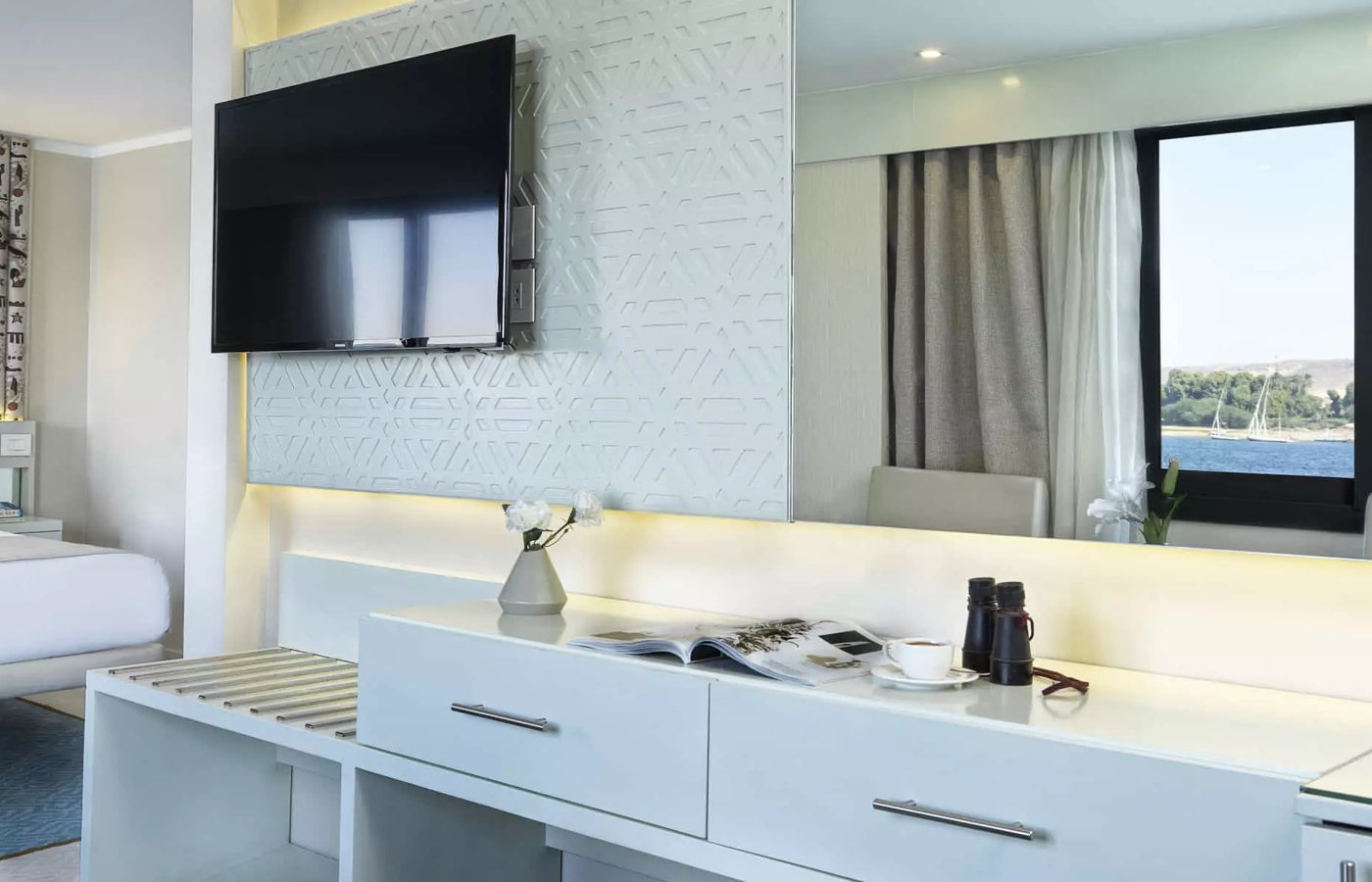
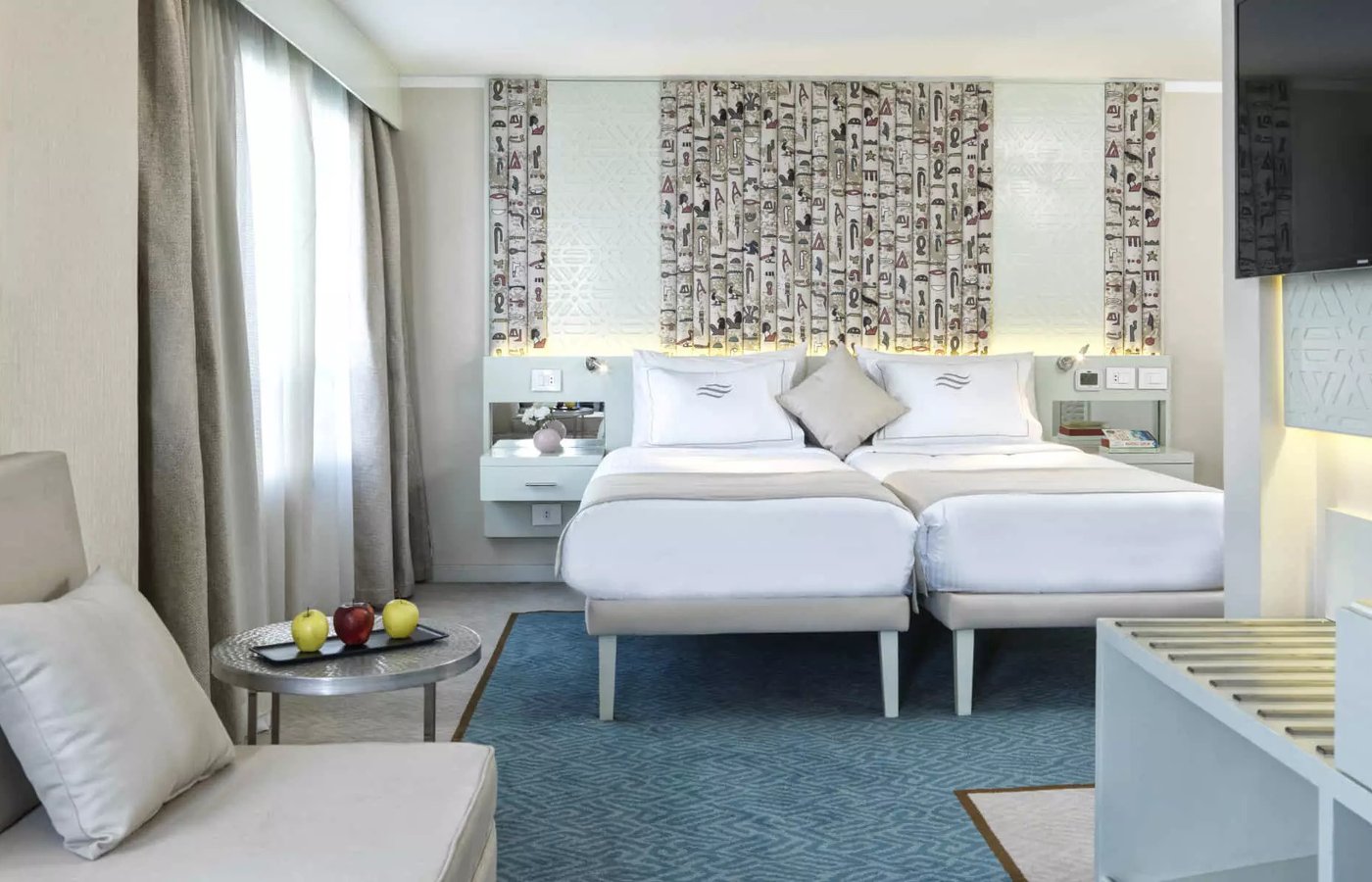
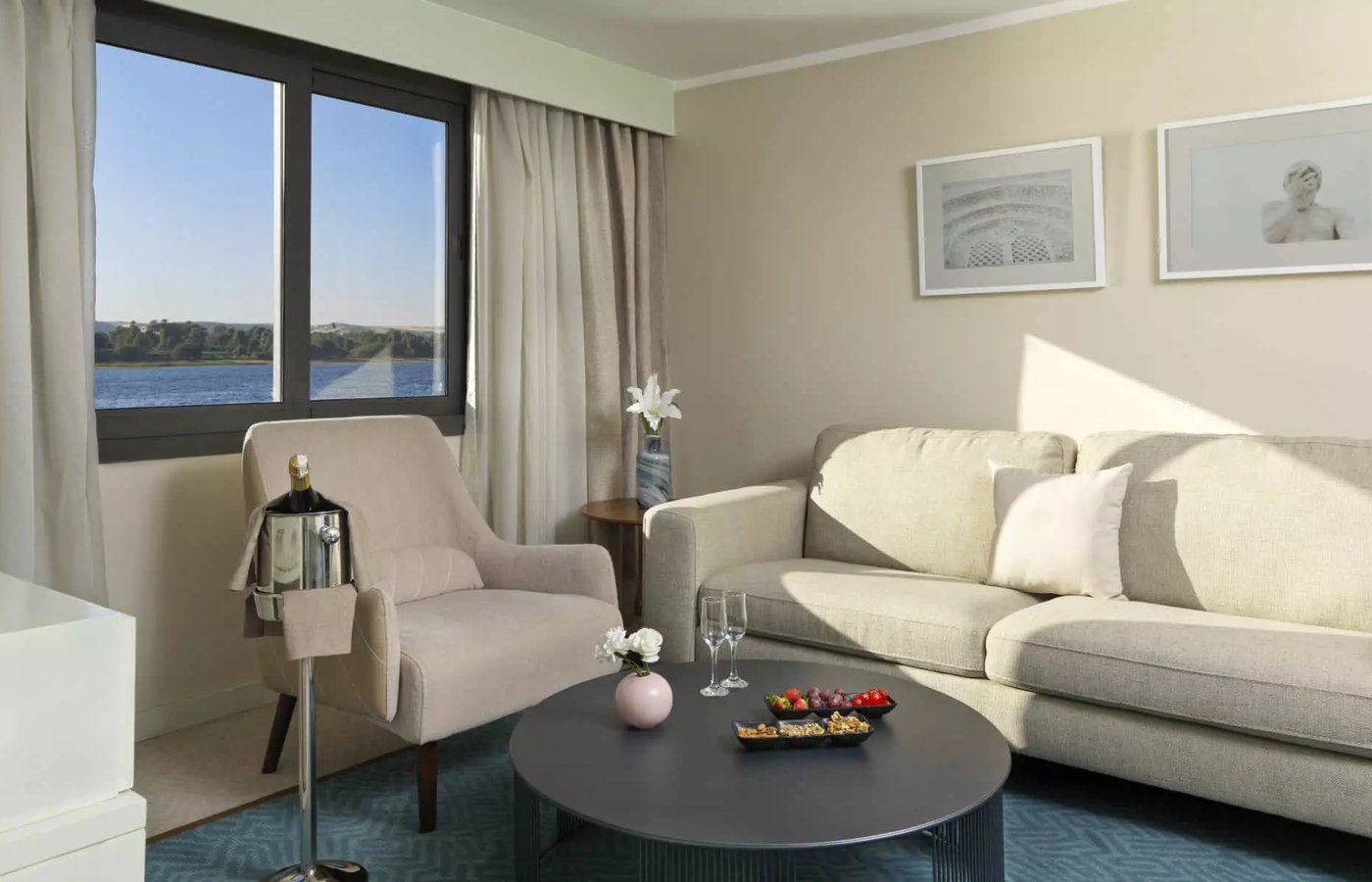
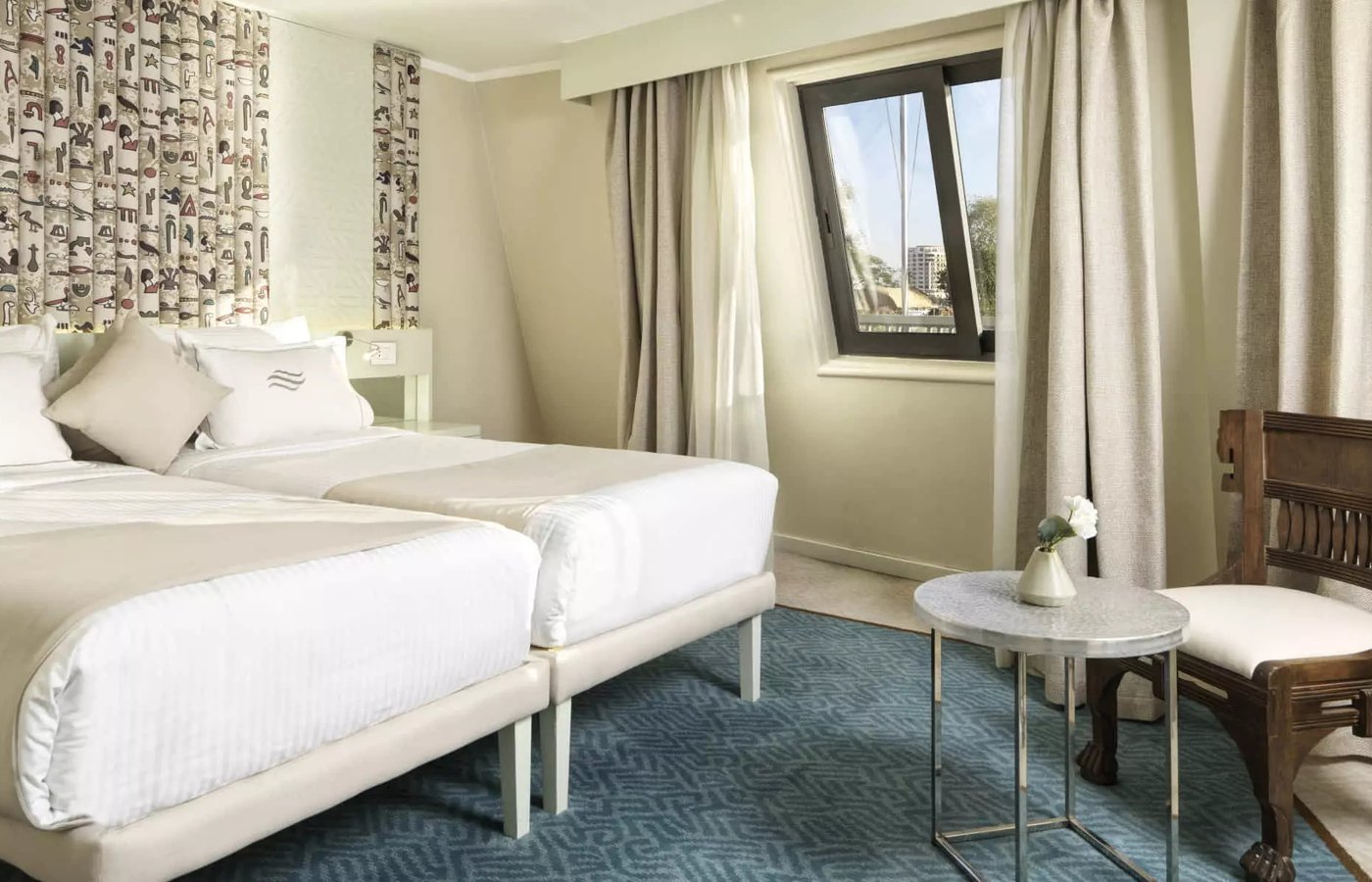
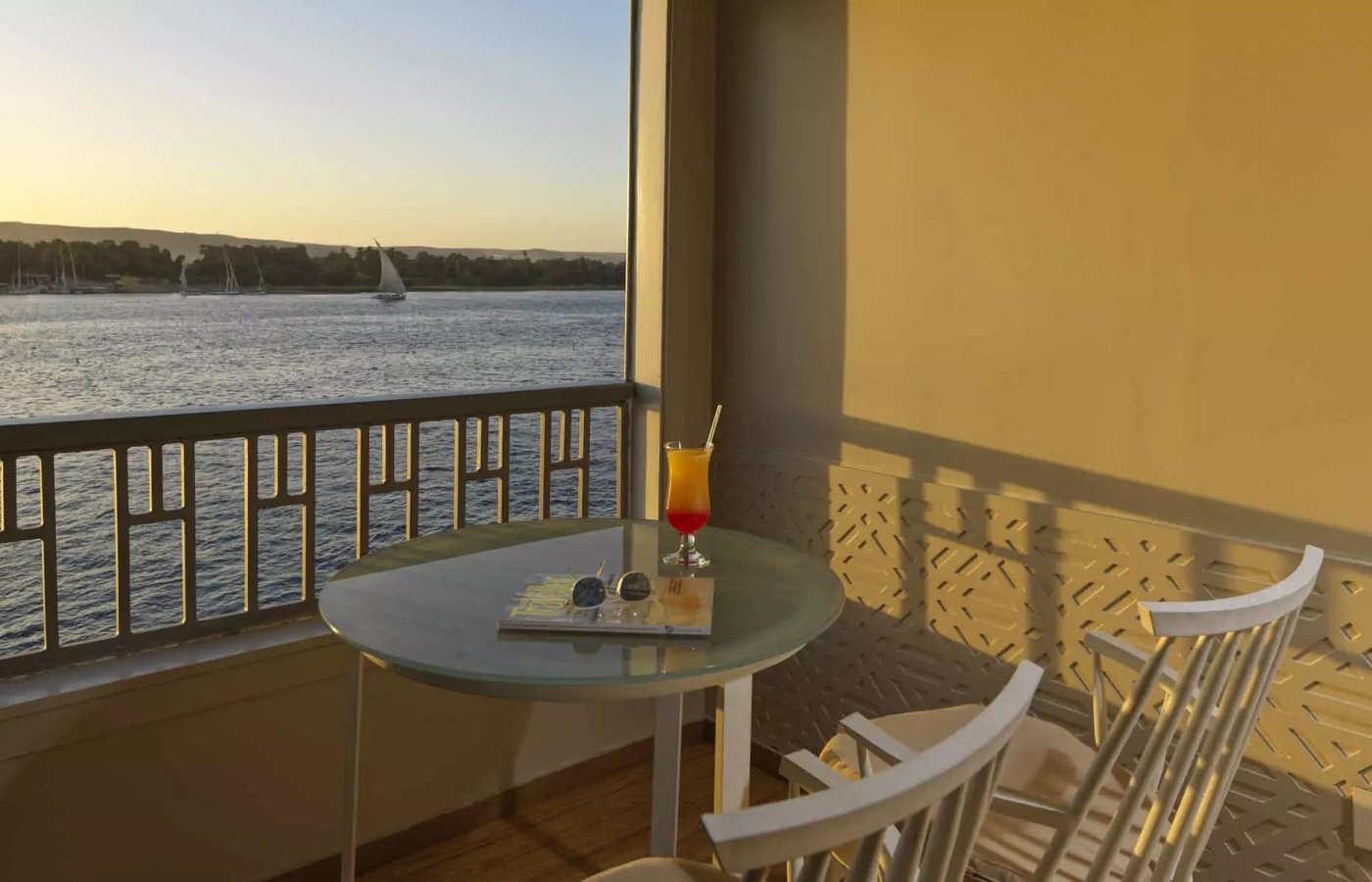
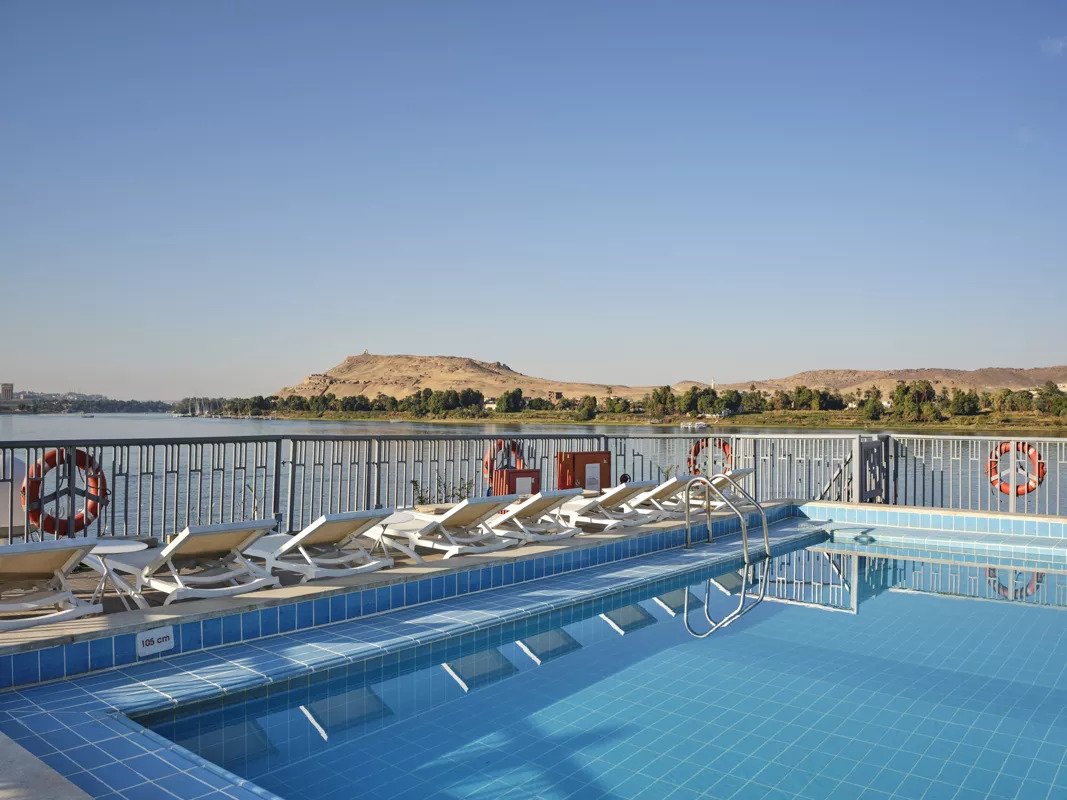
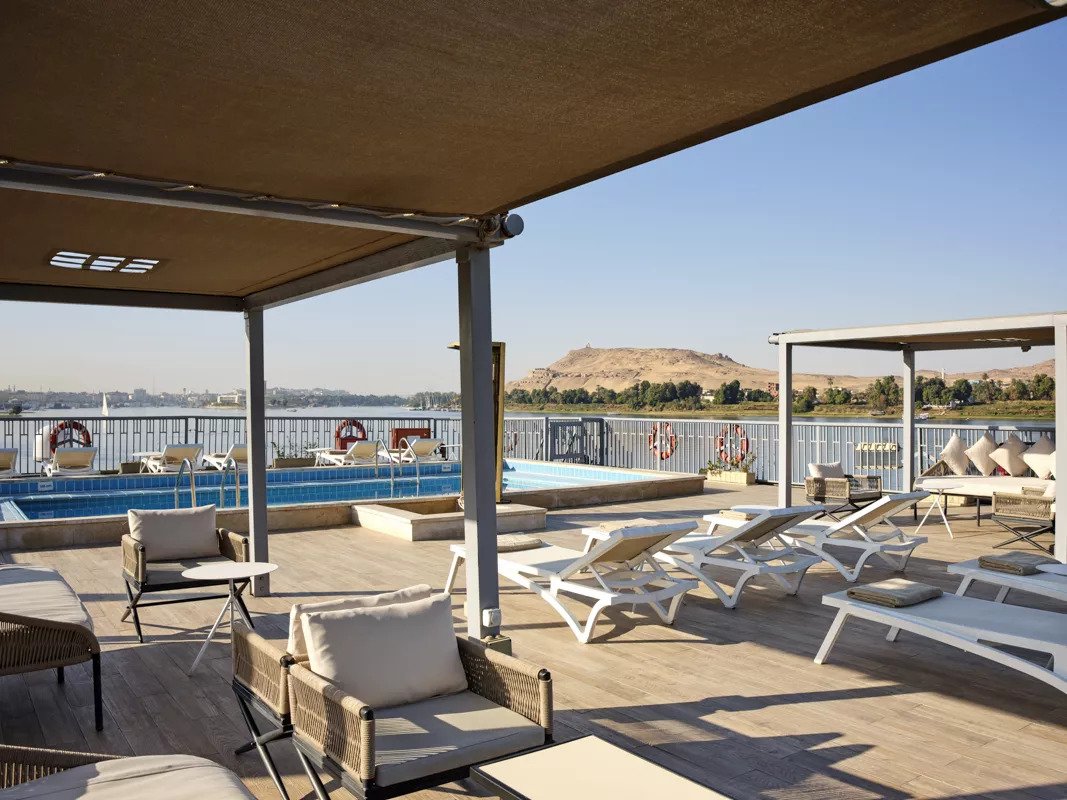
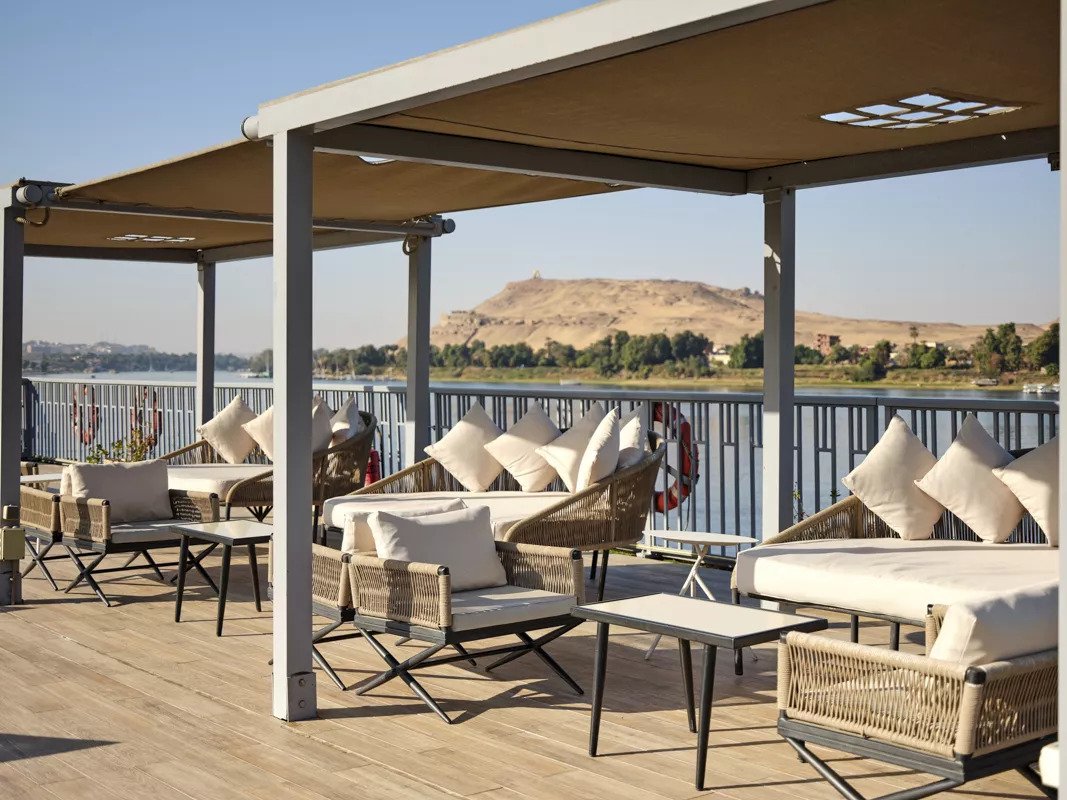
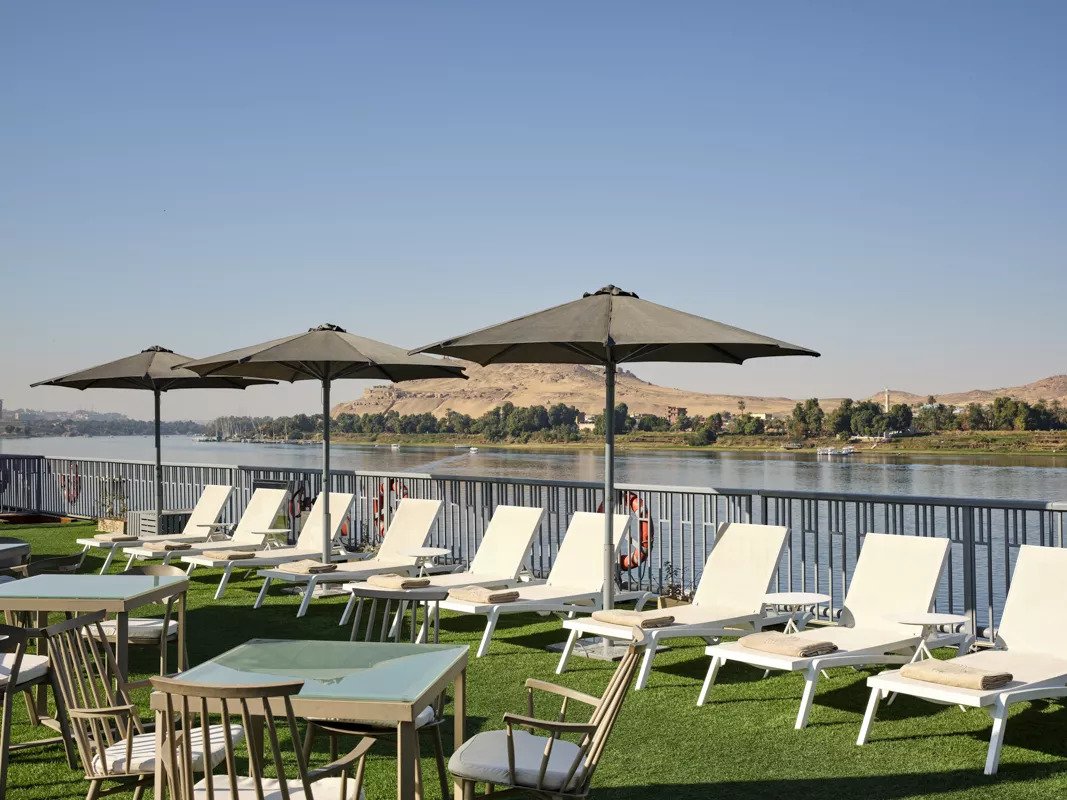
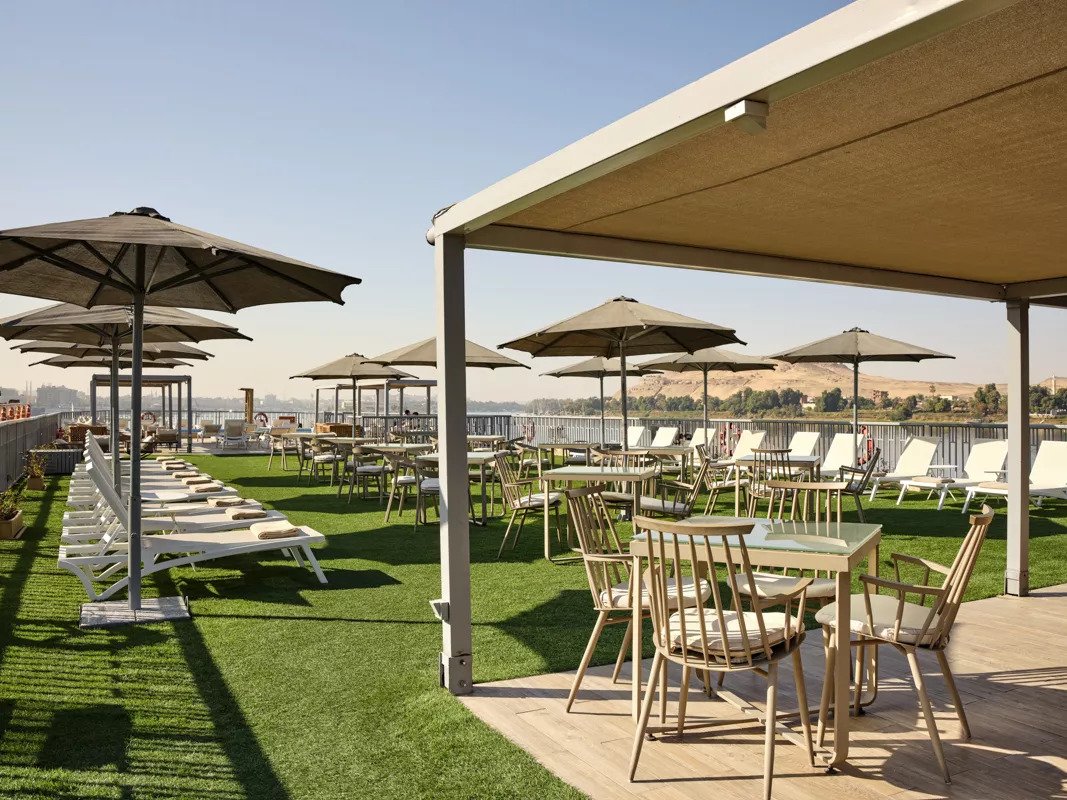
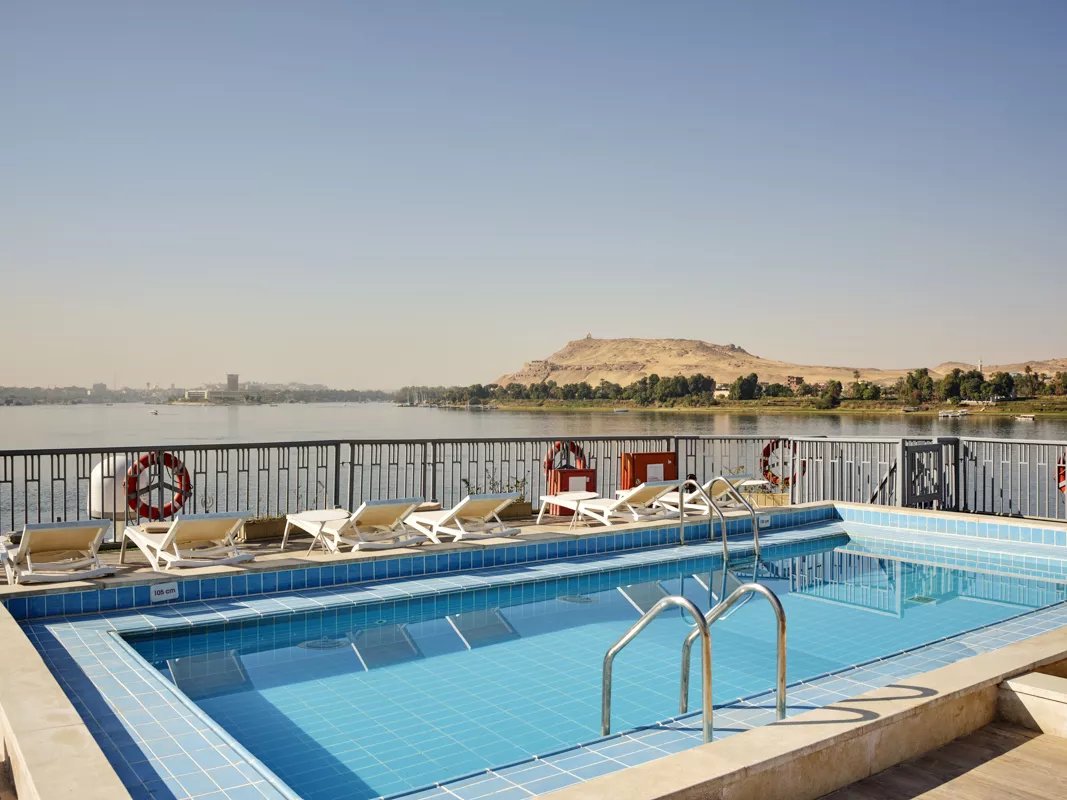
- Upon arrival, you will then reach the luxuries Nile Cruise, where you will spend the next three nights, to start your relaxing tour sailing from Aswan to Luxor.
- After lunch, begin your Nile cruise excursion with a visit to the impressive Aswan High Dam, a remarkable engineering achievement built in the 1960s that transformed Egypt by providing vital irrigation and electricity. From the top of the dam, enjoy panoramic views over Lake Nasser, the huge reservoir created by its construction, stretching far into the desert .
- Continue on to the beautiful Philae Temple, which was carefully dismantled and relocated to Agilkia Island to protect it from flooding. Dedicated to the goddess Isis, the temple complex is set in a peaceful and scenic location, featuring elegant structures such as Trajan’s Kiosk and the Temple of Hathor, all rich in history and mythology.
- At night you may choose the Optional breathtaking Sound and Light show at Philae Temple, a magical introduction to Egypt’s legendary history.





Day 6
Saturday l Temples Along the River:
- Optional Tour to Abu Simpel by bus.
- We will sail to Kom Ombo in the early morning and visit the Temple of Kom Ombo. visit Kom Ombo Temple (the Ptolemaic Temple of Sobek & Haroeries). Located in the town of Kom-Ombo, about 28 miles north of Aswan, the Temple, dating to the Ptolemies, is built on a high dune overlooking the Nile. The actual temple was started by Ptolemy VI Philometor in the early second century BC. Ptolemy XIII built the outer and inner hypostyle halls. The outer enclosure wall and part of the court were built by Augustus sometime after 30 BC, and are mostly gone. There are also tombs from the Old Kingdom in the vicinity of Kom-Ombo village.
- Sail to Edfu for having dinner and overnight.


Day 7
Sunday l The Glory of Thebes:
- Arrive at Edfu and visit the Temple of Edfu. We will then be back to the Nile Cruise to have lunch while heading to Luxor.
- In the afternoon, we will visit Luxor East Bank beginning with the outstanding Karnak Temple. Afterward, the Temple of Luxor will be our next stop.
- You will visit Karnak Temple, in ancient Egypt, the power of the god Amun of Thebes gradually increased during the early New Kingdom, and after the short persecution led by Akhenaten, it rose to its apex. In the reign of Ramesses III, more than two-thirds of the property owned by the temples belonged to Amun, evidenced by the stupendous buildings at Karnak. Although badly ruined, no site in Egypt is more impressive than Karnak. It is the largest temple complex ever built by man and represents the combined achievement of many generations of ancient builders. The Temple of Karnak is three main temples, smaller enclosed temples, and several outer temples located about three kilometers north of Luxor, Egypt situated on 100 ha (247 acres) of land. Karnak is the site's modern name. Its ancient name was Ipet-it, meaning "The Most Select (or Sacred) of Places". This vast complex was built and enlarged over a thirteen-hundred-year period. The three main temples of Mut, Montu, and Amun are enclosed by enormous brick walls.
- Proceed to visit the Temple of Luxor, built by the two pharaohs, Amenhotep III and Ramses II. Ancient Thebes was a center of festivals, and the Temple of Luxor was the setting for the most important-the festival of Opet, designed to merge the ruler`s human and divine aspects. The temple was dedicated to Amun-Ra, whose marriage to Mut was celebrated annually when the sacred procession moved by boat from Karnak to Luxor Temple.
- In the evening, you may choose the optional Sound & Light show at Karnak Temple, bringing history to life with lights and music.


Day 8
Monday l Valleys of the Pharaohs:
- Optional Hot Air balloon.
- Breakfast will be served on the Nile Cruise, and then we will proceed to the checkout.
- Early morning, visit Luxor West Bank necropolis including the Valley of the Kings, Including the unique two tombs of Rameses V & VI, the Mortuary Temple of Queen Hatshepsut, and Colossi of Memnon.
- The West Bank necropolis including the Valley of the Kings, with its many tombs, chiseled deep into the Cliffside. From the 18th to the 20th Dynasty, the Memphis area and pyramid-style tombs were abandoned in favor of the West Bank of the Nile in Thebes. Several great leaders as well as many less important rulers are buried here, and more tombs are being discovered even today. This is where Howard Carter discovered the treasures of Tutankhamun and was struck "dumb with amazement" when he beheld its "wonderful things" in 1922.
- Proceed to the funerary temple of Queen Hatshepsut at Deir El Bahari. The mortuary temple of Queen Hatshepsut is one of the most dramatically situated in the world. The queen`s architect, Senenmut, designed it and set it at the head of a valley overshadowed by the Peak of the Thebes, the "Lover of Silence," where lived the goddess who presided over the necropolis. The last stop for our morning tour will be at the Colossi of Memnon. Amenhotep III (18th Dynasty) built a mortuary temple in Thebes that was guarded by two gigantic statues on the outer gates. All that remains now are the 23 meters (75 ft.) high, one-thousand-ton statue of Amenhotep III. Though damaged by nature and ancient tourists, the statues are still impressive.
- The last stop for our morning tour will be at the Colossi of Memnon. Amenhotep III (18th Dynasty) built a mortuary temple in Thebes that was guarded by two gigantic statues on the outer gates. All that remains now are the 23-meter (75 ft.) high, one-thousand-ton statues of Amenhotep III. Though damaged by nature and ancient tourists, the statues are still impressive.
- Flight to Cairo.





Day 9
Tuesday l Full-Day Alexandria Tour:
- Start your over-day excursion to Alexandria by private car & accompanied by an English-speaking Egyptologist. The first stop will be at the Alexandria National Museum, one of our new master sites nowadays. It is inaugurated by the Egyptian President, Hosni Mubarak, on 31st of December 2003. The national museum located in a restored palace contains about 1,800 artifacts pieces of antiquities that narrate the history of Alexandria throughout the ages, Pharaonic, Roman, Coptic, and Islamic eras, and some modern pieces, Mummies are shown in a special underground chamber (basement). And some of the items found during the archaeological underwater excavations in Alexandria are now on the same floor as the Greco roman artifacts.
- Next, we will visit the Catacomb of Alexandria which is really one of the master sites here in Alexandria. Kom el-Shouqafa lies in the district of Karmouz to the east of Alexandria the area was called Kom El Shouqafa or a pile of shards, Catacombs in Alexandria are called the catacomb as well because of their design, which was very similar to the Roman Christian Catacombs. Most likely it was a private tomb and later converted into a public cemetery. It consists of 3 levels cut into the rock, a staircase, a rotunda, the triclinium or banquette hall, a vestibule, an antechamber, and the burial chamber with three recesses In, wherein each recess there is a sarcophagus. The Catacomb also contains a large number of Luculi or grooves cut into the rock.
- Proceed to the Roman Amphitheater. It a modest in size and most of the part of the structure is in ruined condition but still, it is an excellent ancient structure of the Roman period of Egypt. The theatre also consists of numerous galleries erected crudely. These galleries contain rooms for more spectators along with the arrangement of 700-800 marble seats around the stage. The Roman Amphitheatre was discovered in the excavations done for the site of Paneion or "Park of Pan" in Kom el-Dikkah also known by the name of Hill of Rubble. In the layers above the roman street, two other archaeological sites were found. These were a Muslim Cemetery and slums.
- Stop for lunch then continue to our last stop at the Alexandria Library. The modern Alexandria Library or the Bibliotheca Alexandrina as once called in Ancient Egypt is located on a magnificent site in the Eastern Harbor, facing the sea on the north, and Alexandria University Complex on its southern side. It is very close to the location of the Ancient Library in the Brucheion (the Ancient Royal Quarter), as verified by the 1993 archeological survey. The Bibliotheca Alexandrina was inaugurated in 2003 near the site of the old library. The building consists of 11 levels with a total level area of 85,405 m2. The library's main reading area which can accommodate 2000 users occupies 7 levels with a total area of 13,625 m2. The Library has 2 main museums (the manuscript museum and the Antiquities museum) and a Science center in the shape of a sphere and called the Planetarium. Return to Cairo.


Day 10
Wednesday l Heart of Cairo (National Museum of Egyptian Civilization, Old Cairo, Citadel of Salah Eldeen):
-
Start the day with a visit to the first authentic museum of civilization in Egypt. The National Museum of Egyptian Civilization (NMEC) with 50,000 artifacts from the dawn of civilization to the present day.
-
Then, we will stop to have lunch in one of Cairo's best restaurants.
-
Continue the Cairo tour with a visit to The Citadel of Mohamed Ali (the Fortress of Salah al-Din al-Ayyubi), built in 1183 and overlooking the city from the Muqattam Hills. The structure, with its domes and minarets, looks over a number of important buildings, including the Alabaster Mosque. Its domed interior, used by Moslems for daily prayers, is a spectacular sight of twinkling lights and beautiful mosaics.
-
A free tour in Khan Al-Khalili Market, which is one of the oldest and oldest Egyptian markets, where it is fun to shop and enjoy watching various Egyptian antiques and gifts throughout historical times, where you can buy souvenirs for you and your friends to remind you of your trip in Egypt.


Inclusions
Luxury Accommodation:
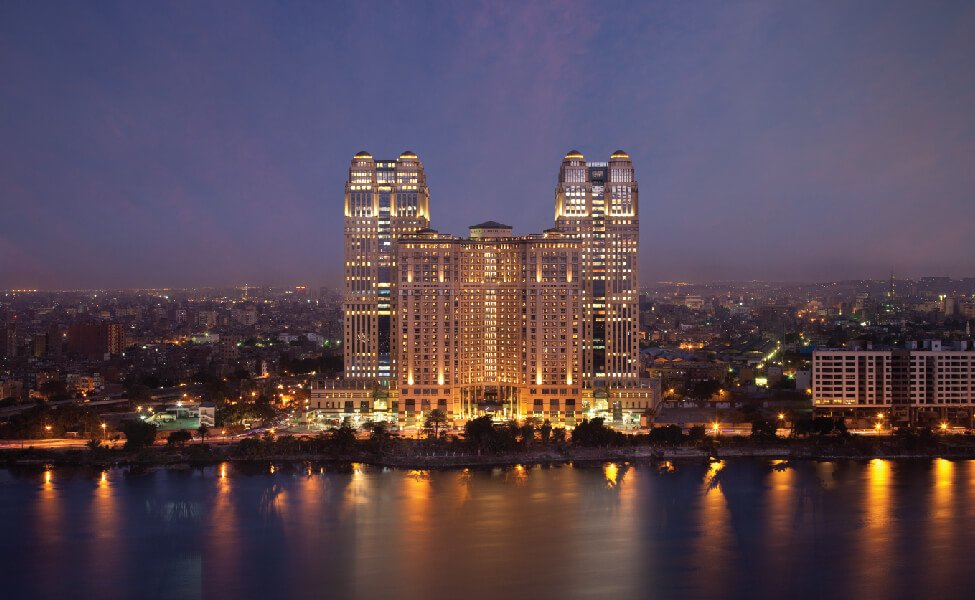
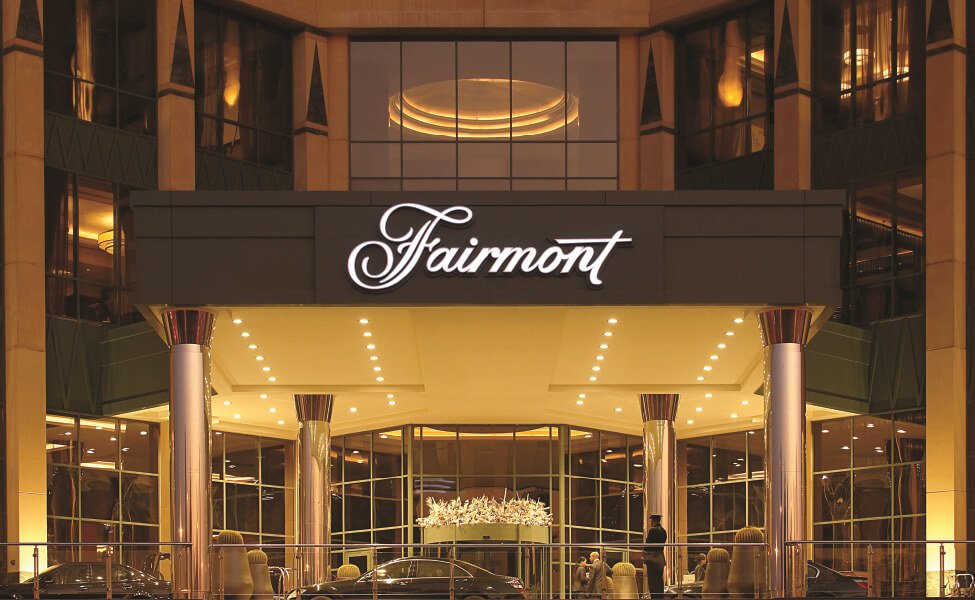
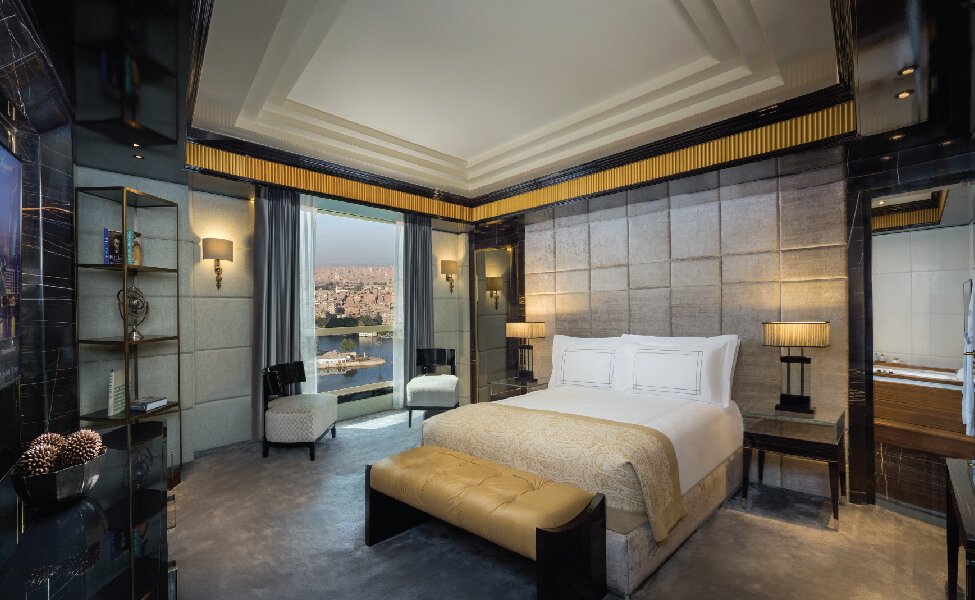
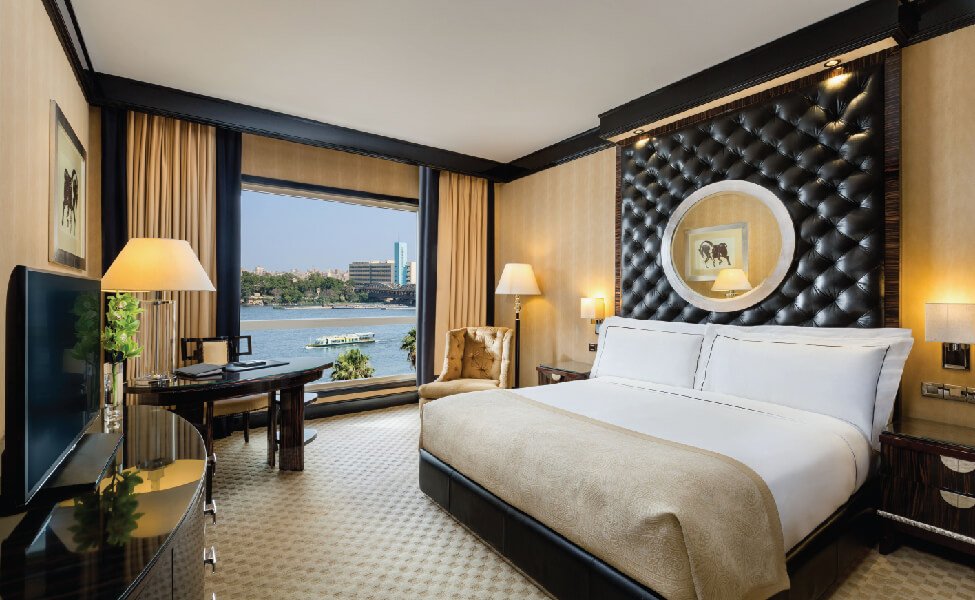
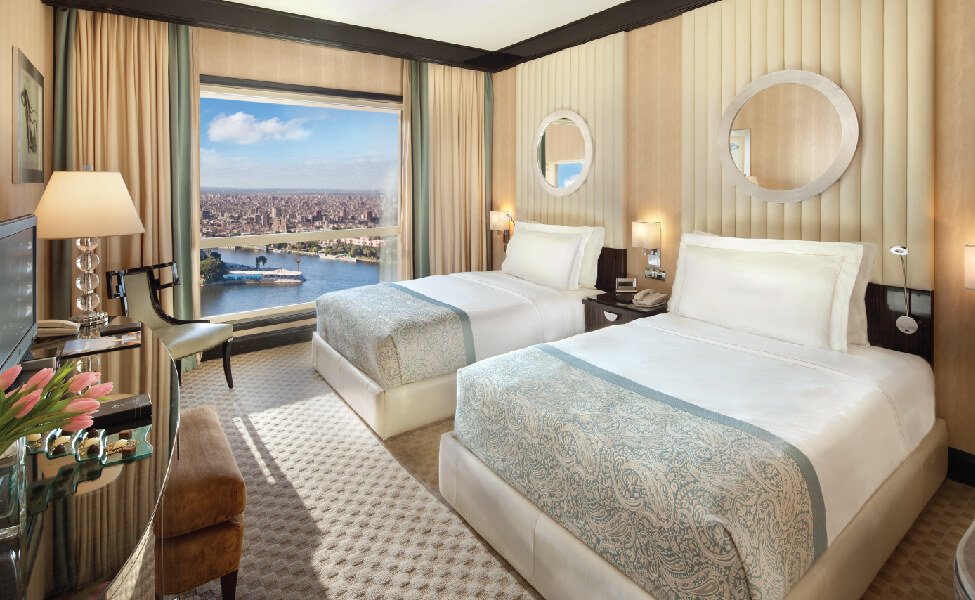
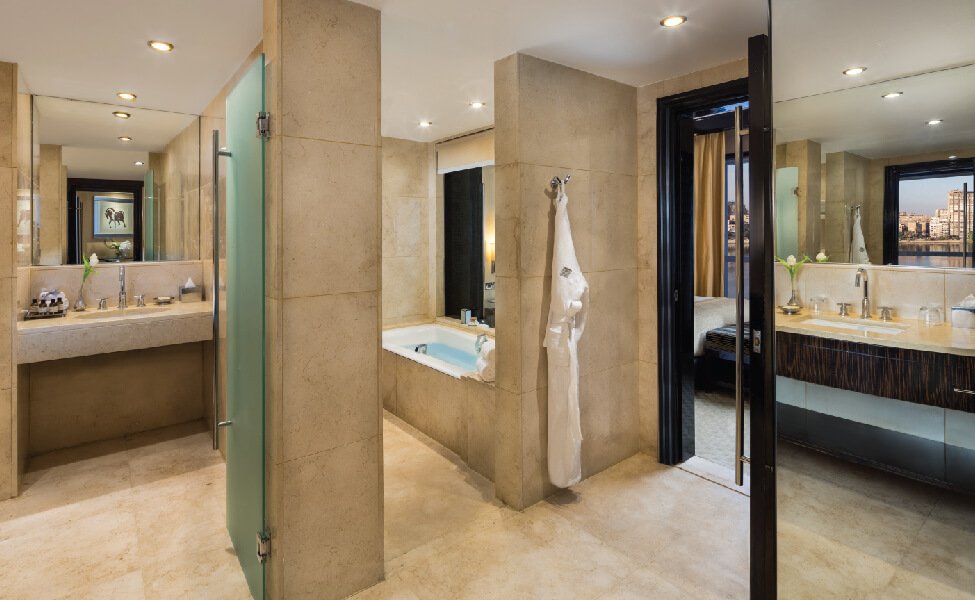
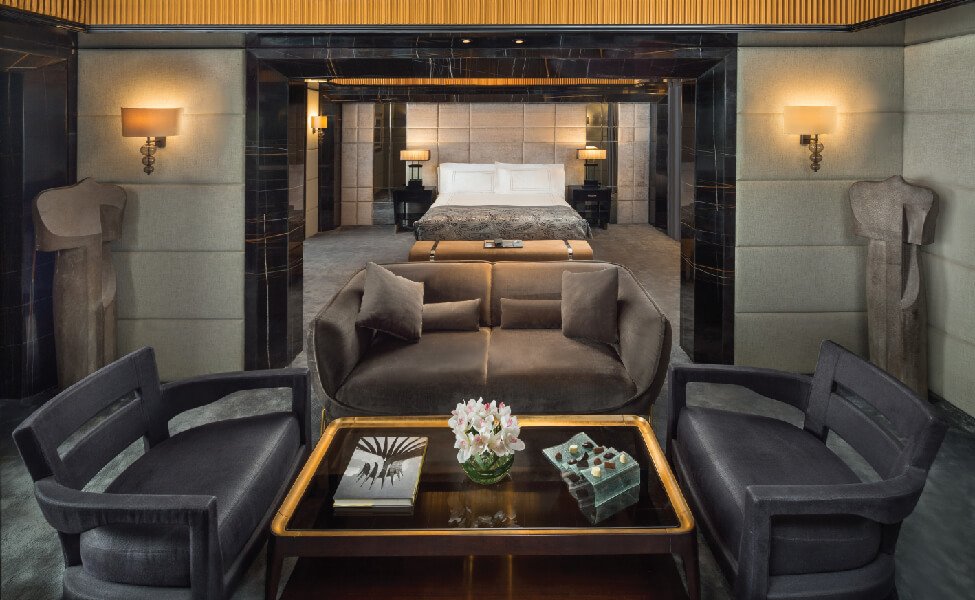
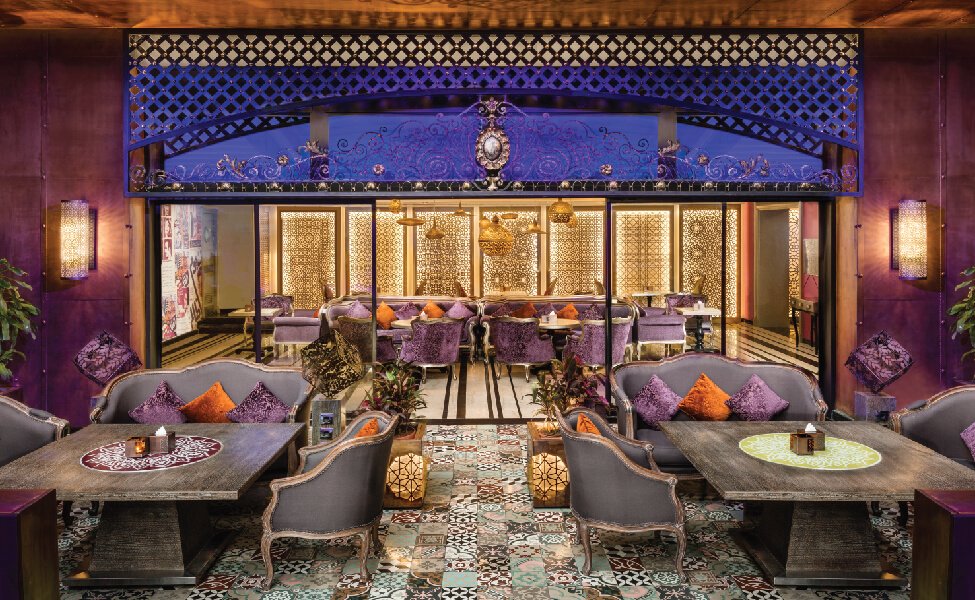
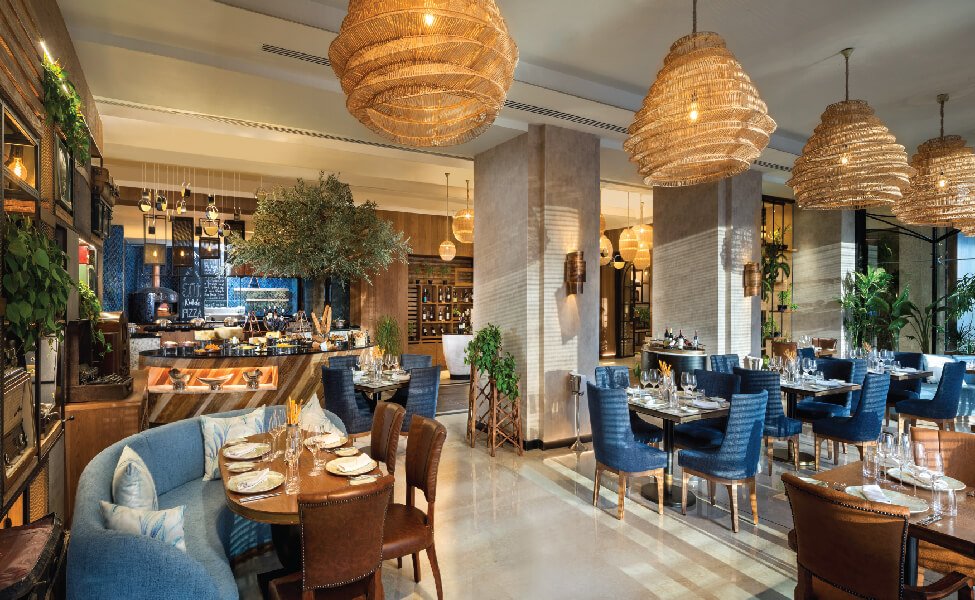
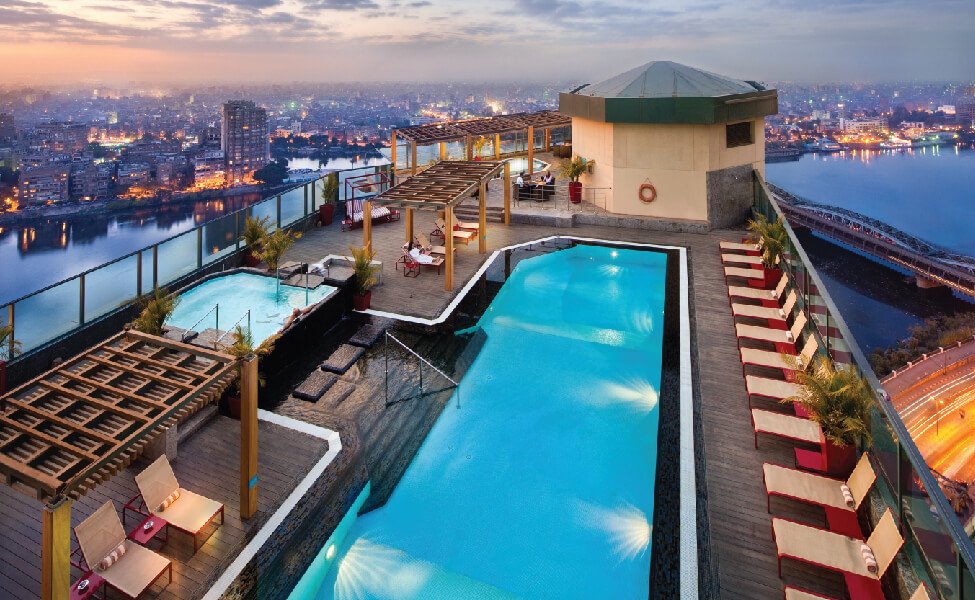
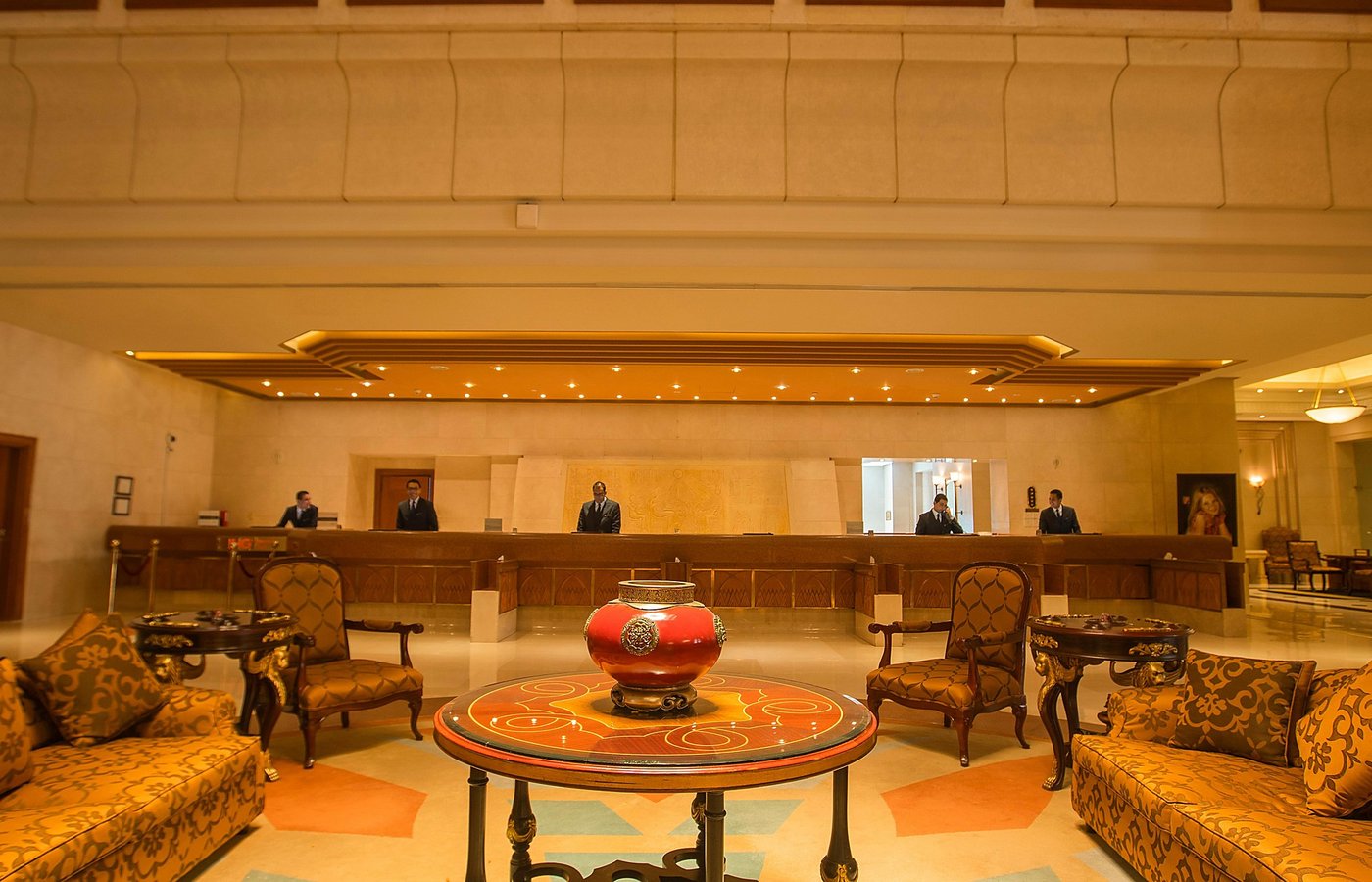
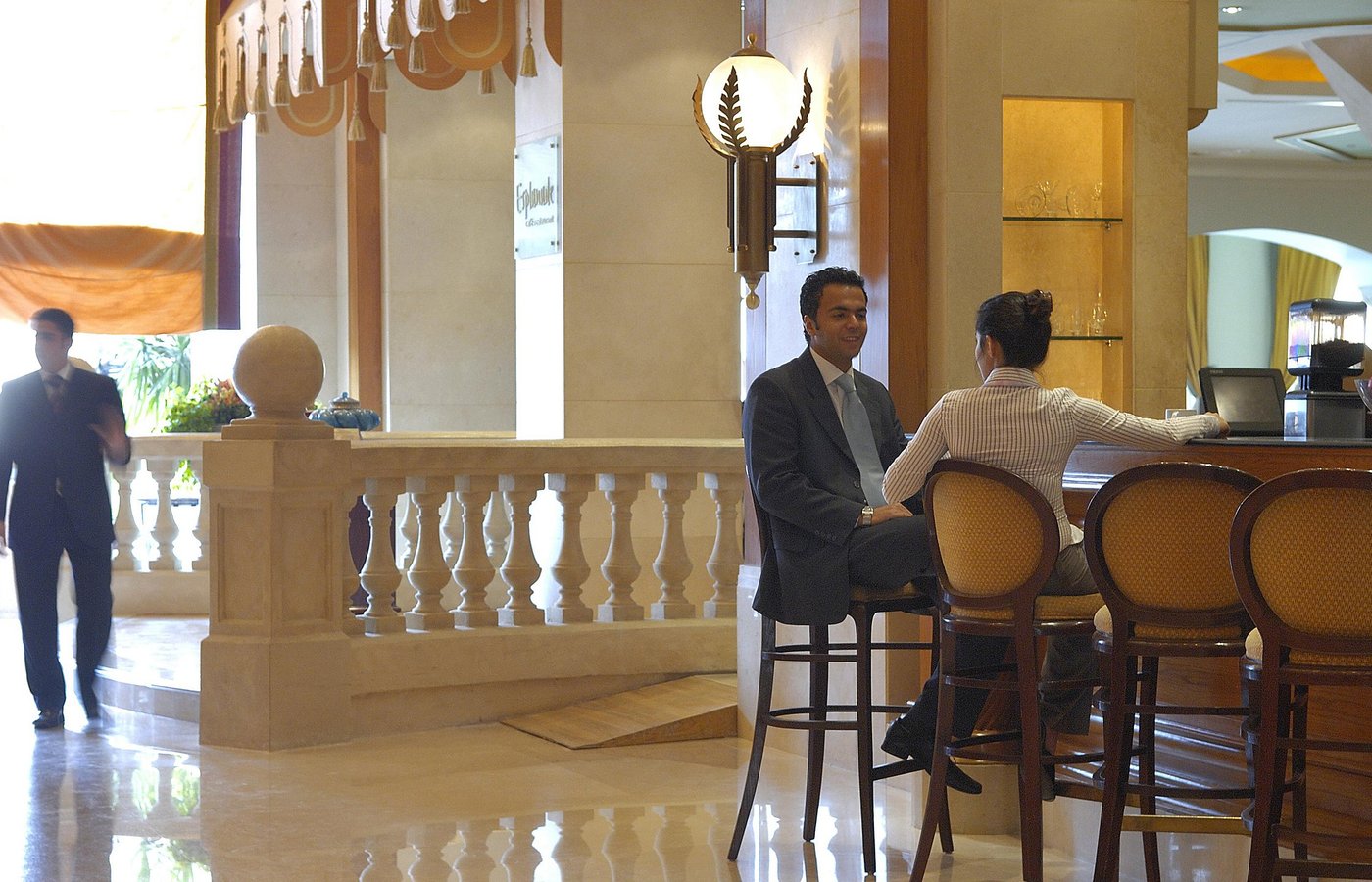
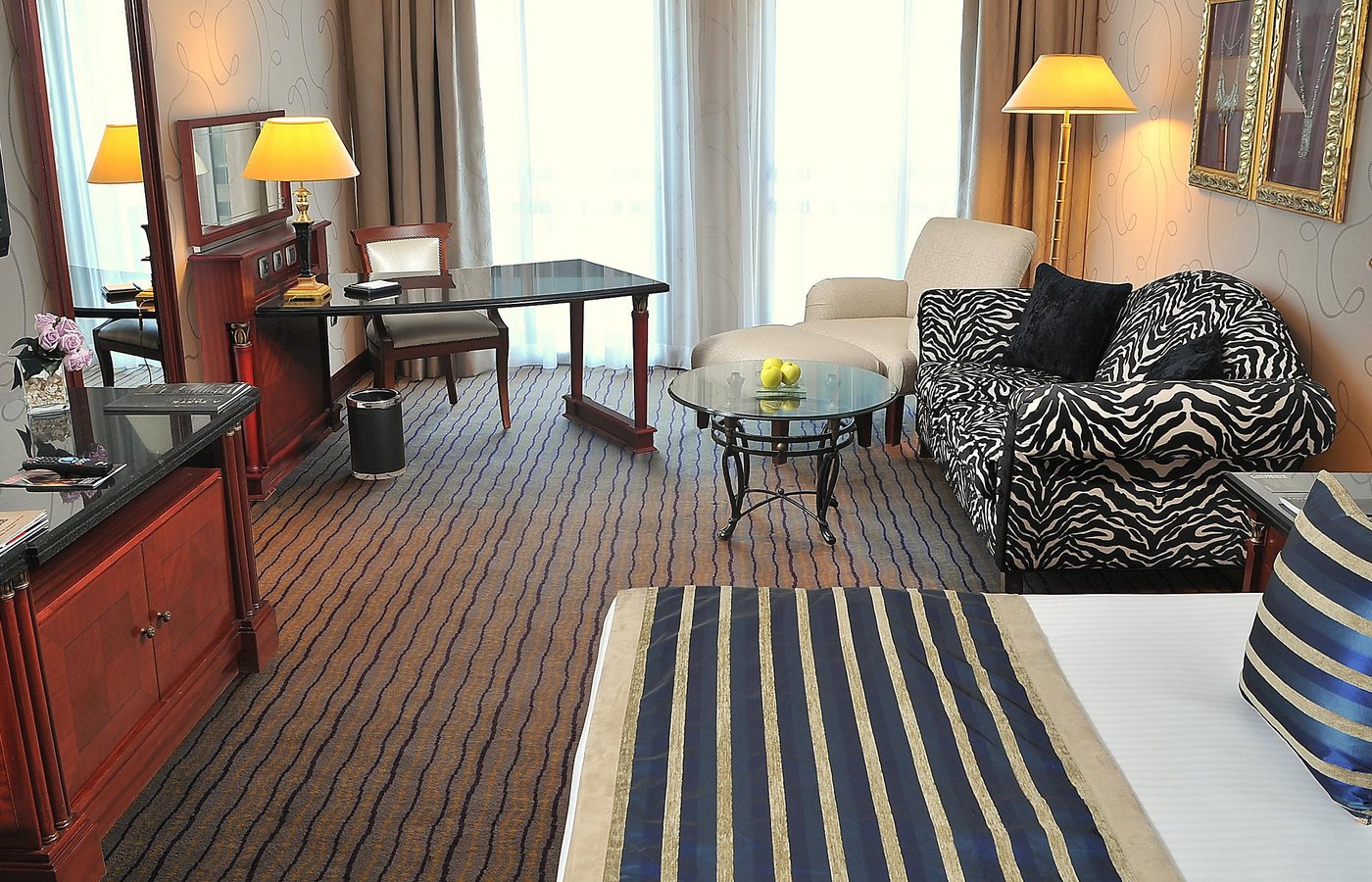
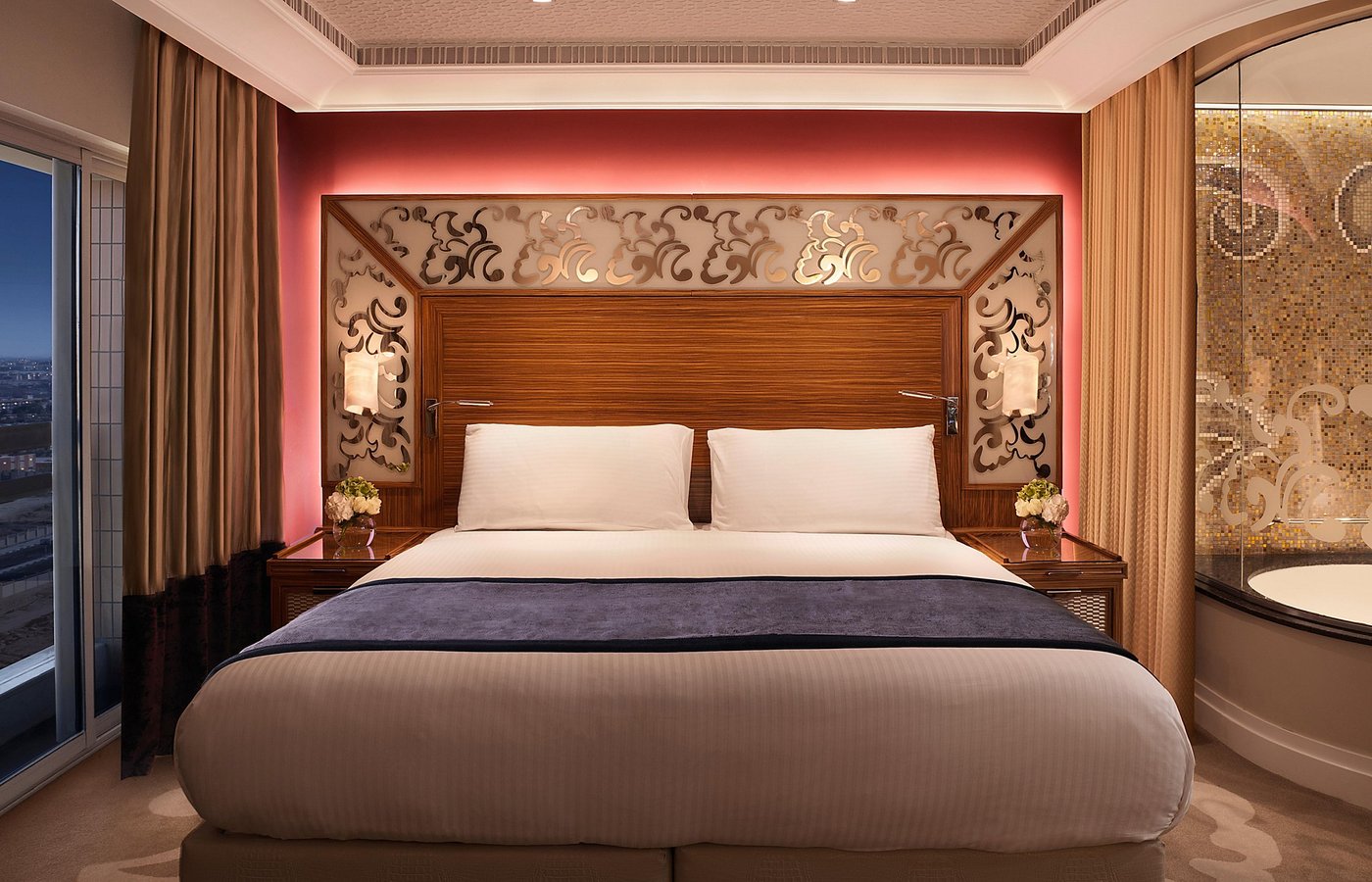
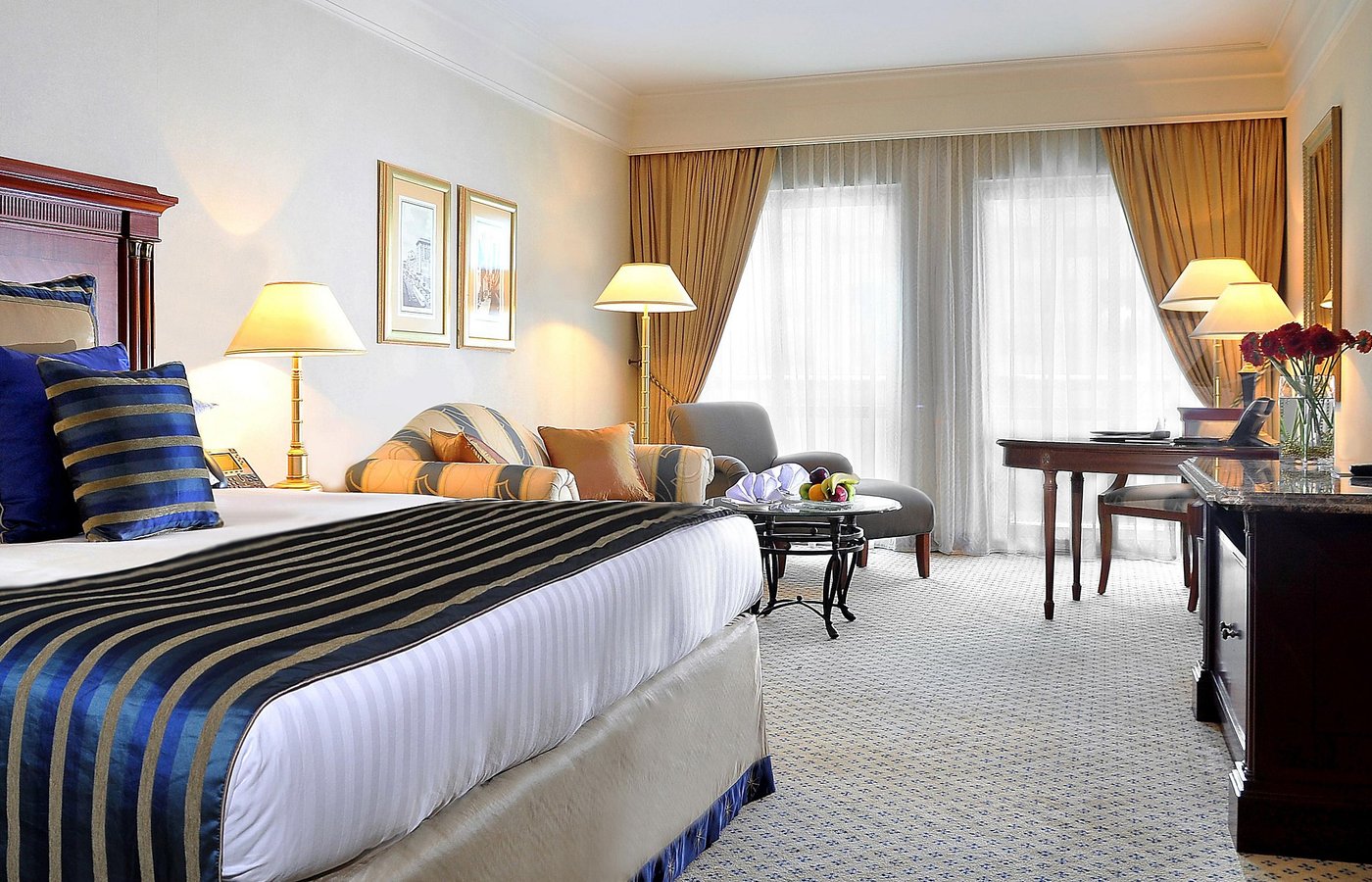
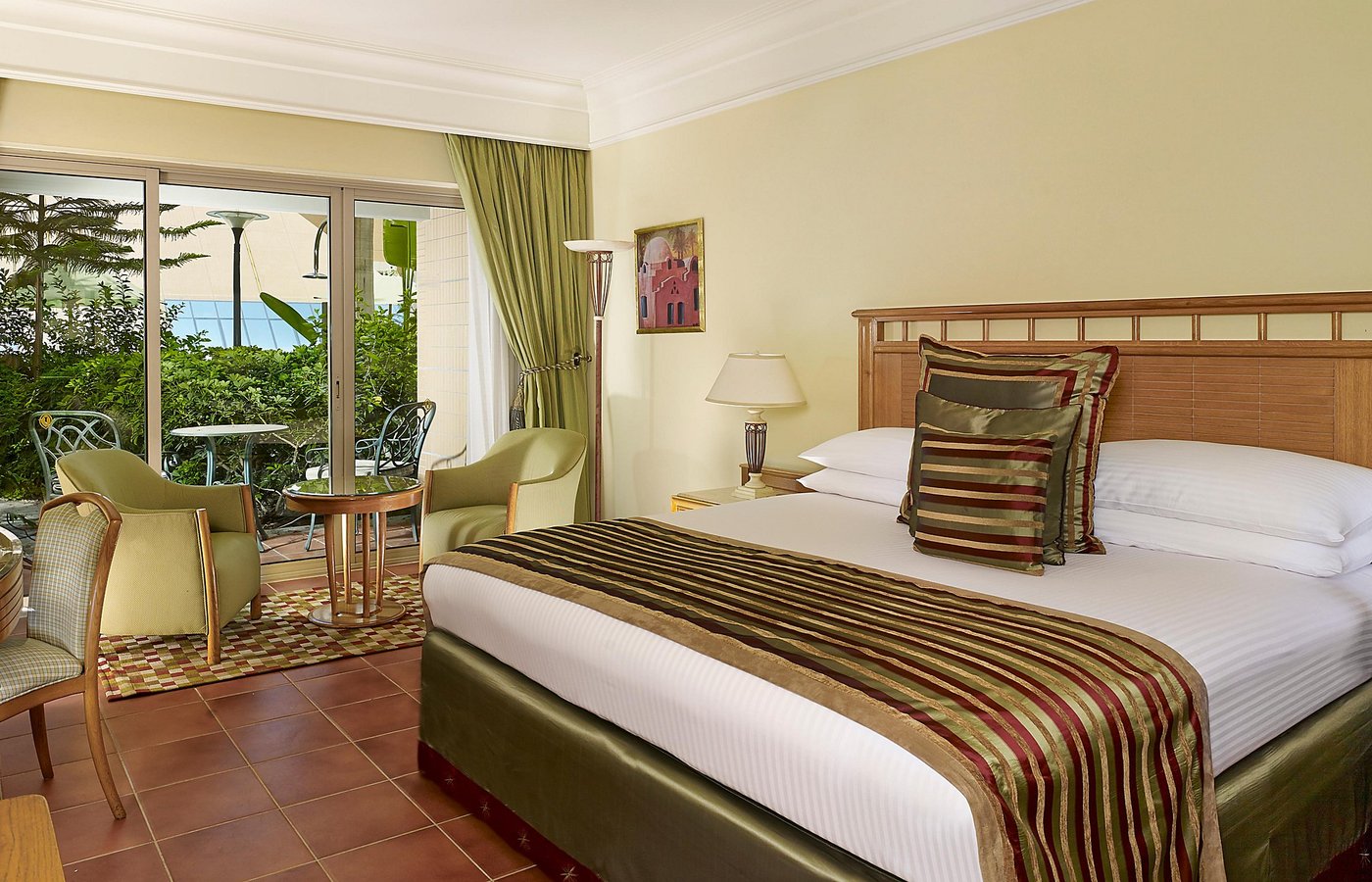
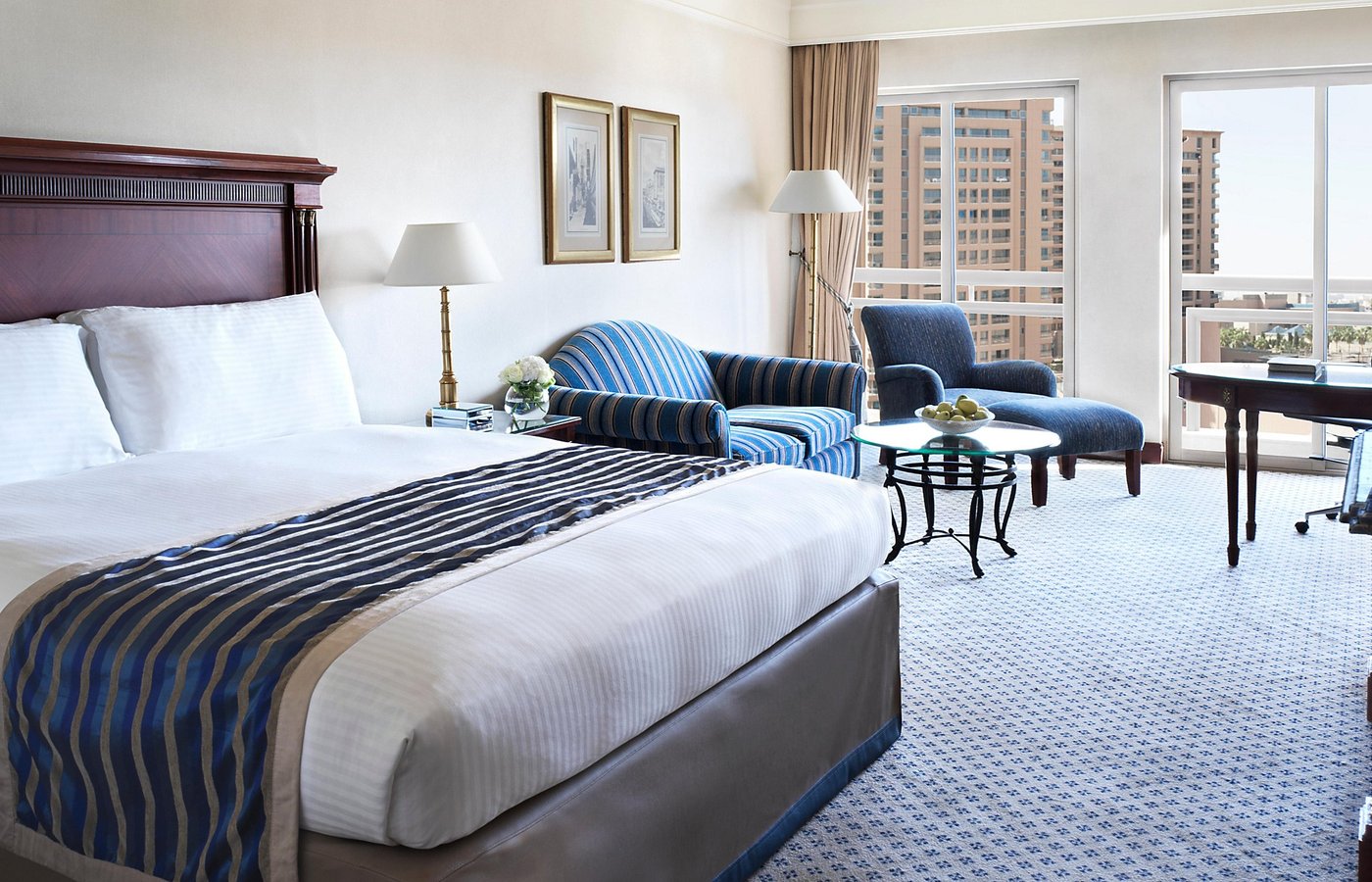
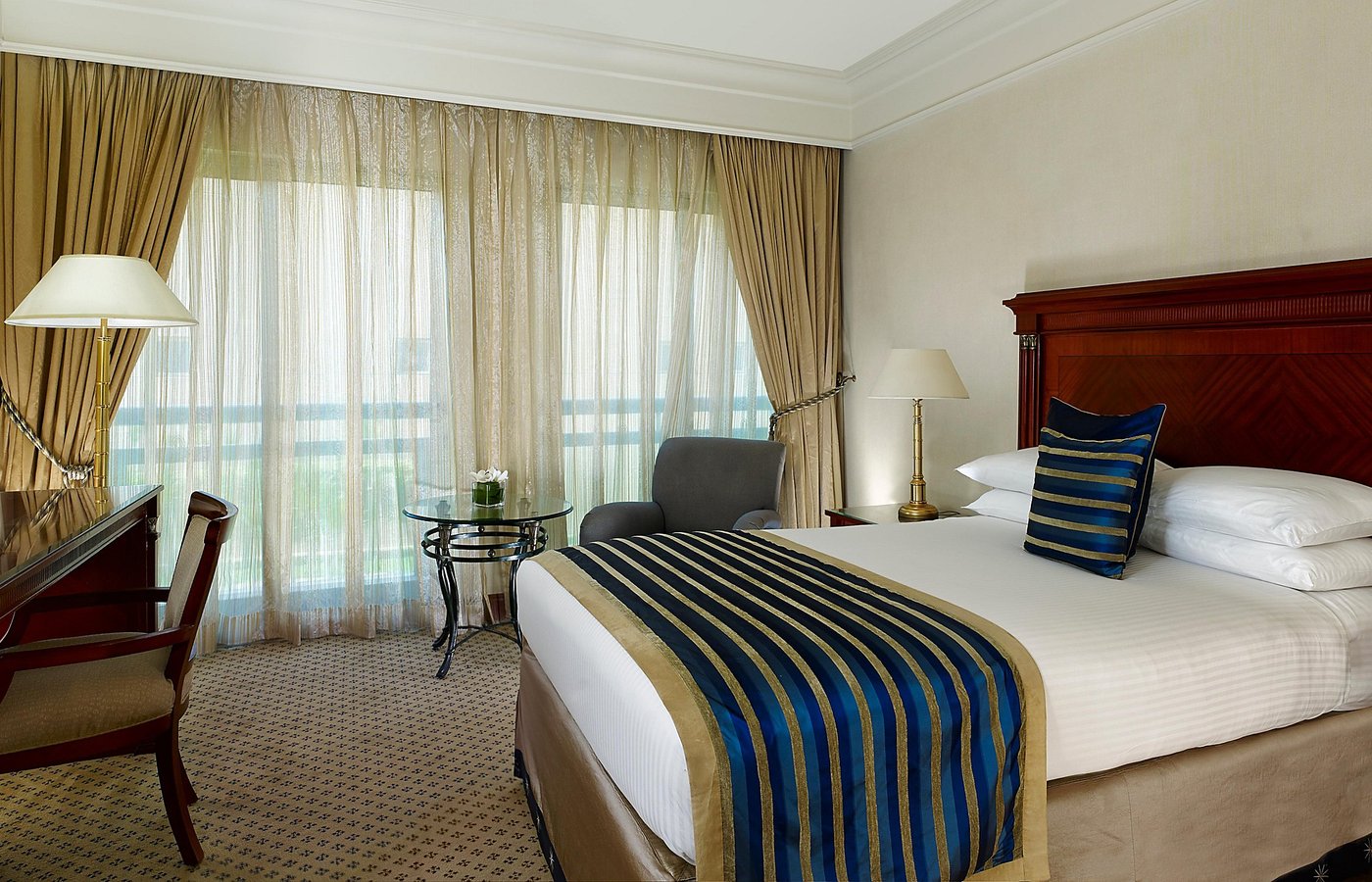
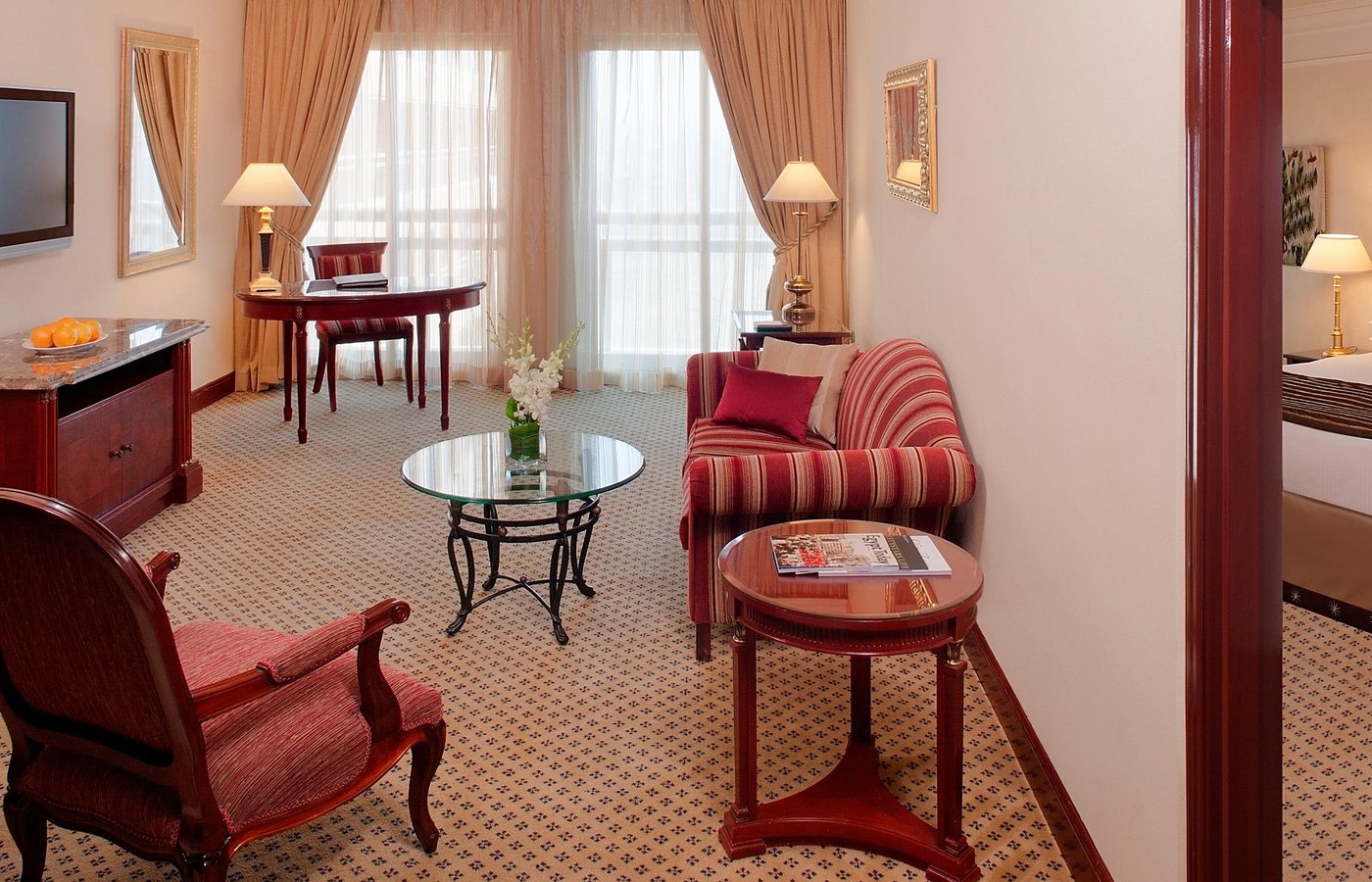
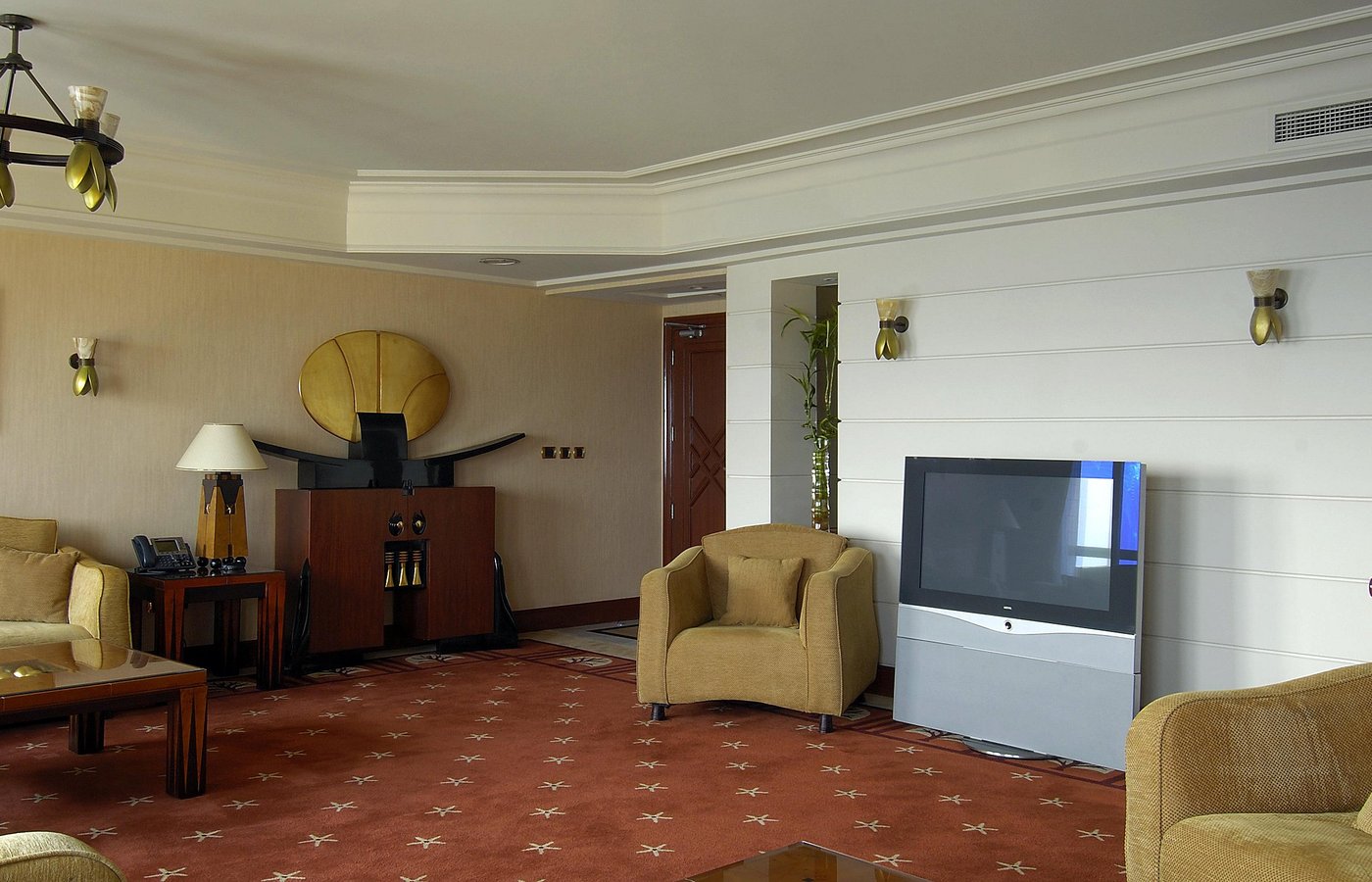
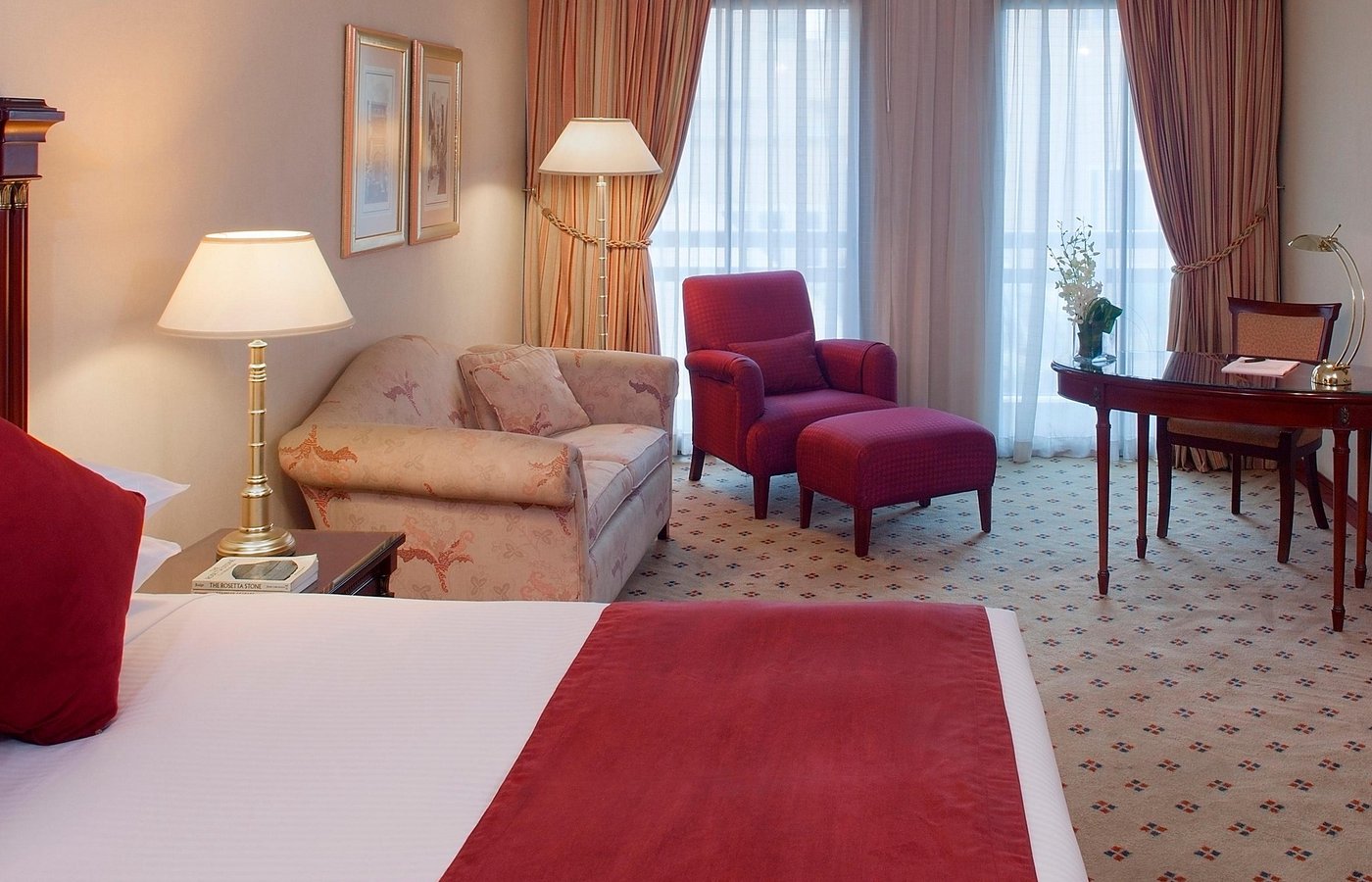
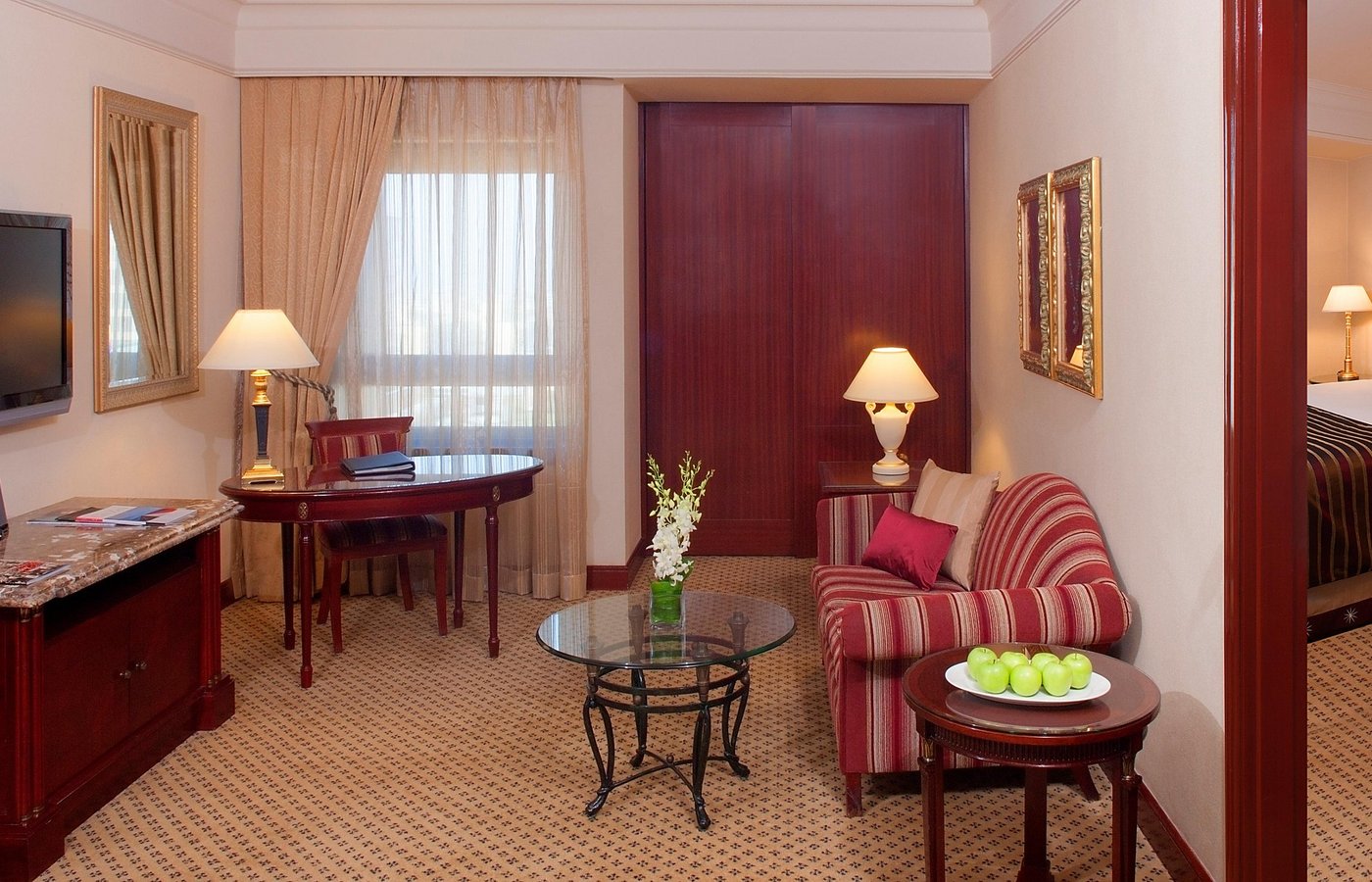
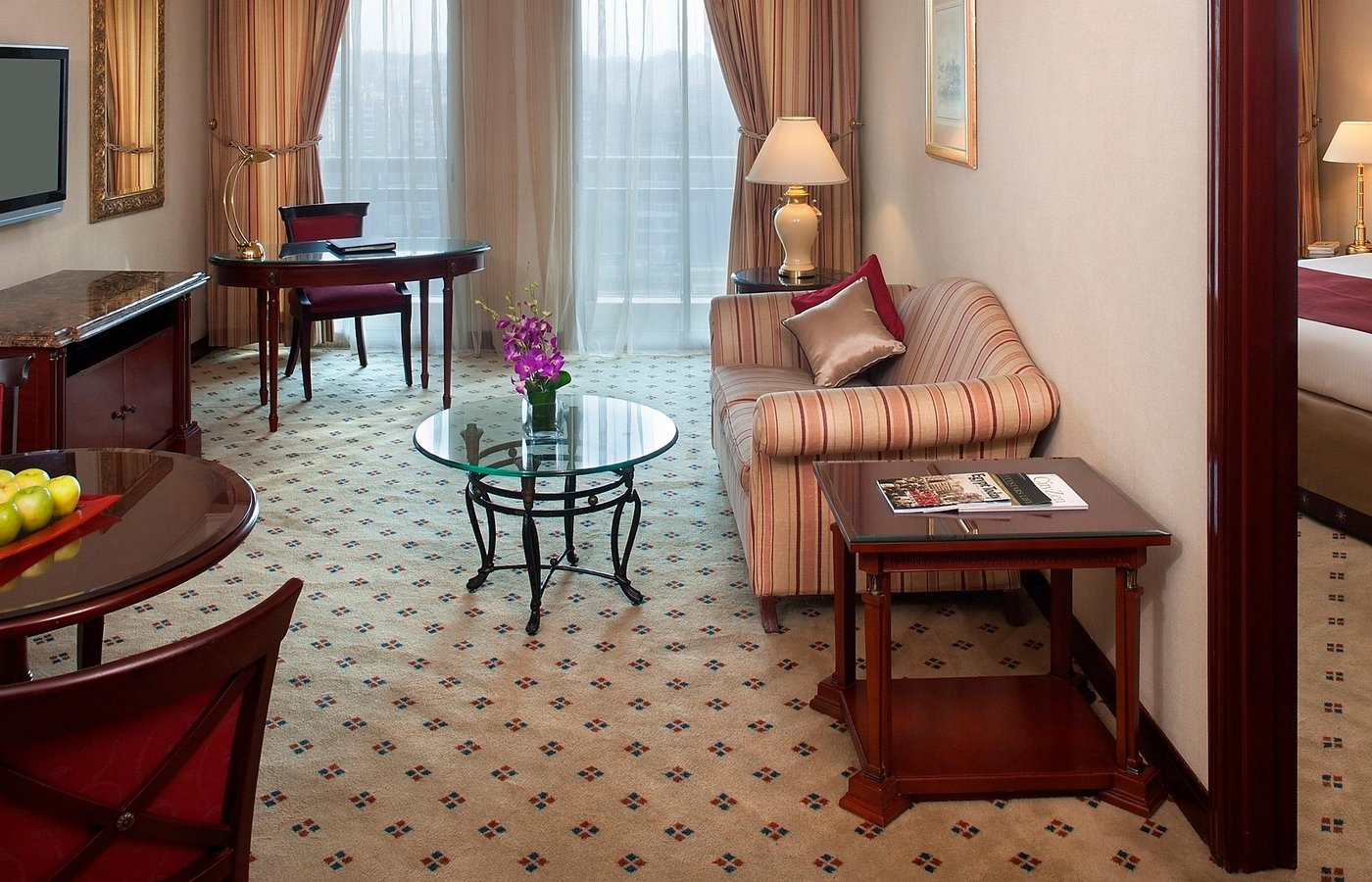
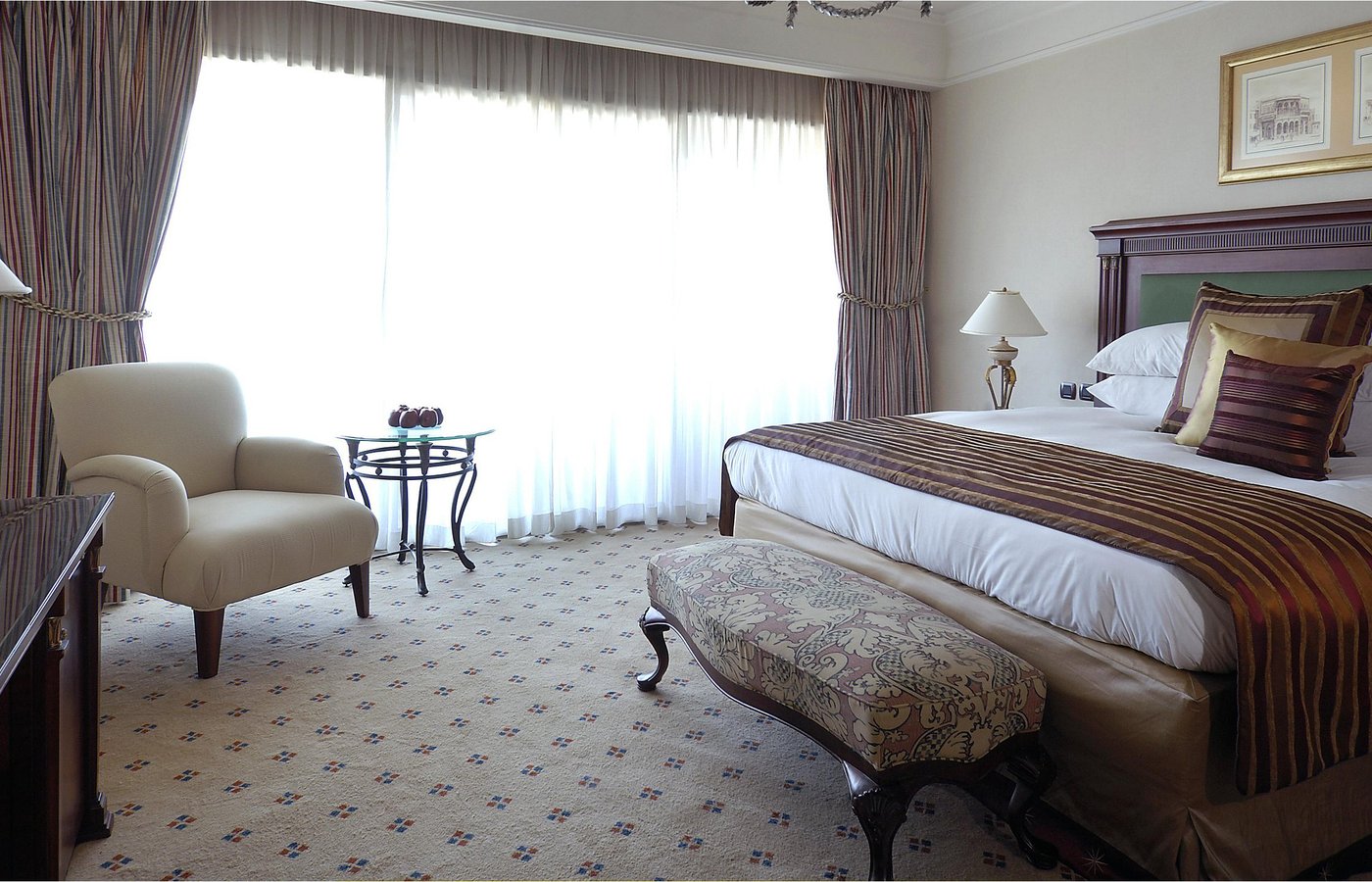
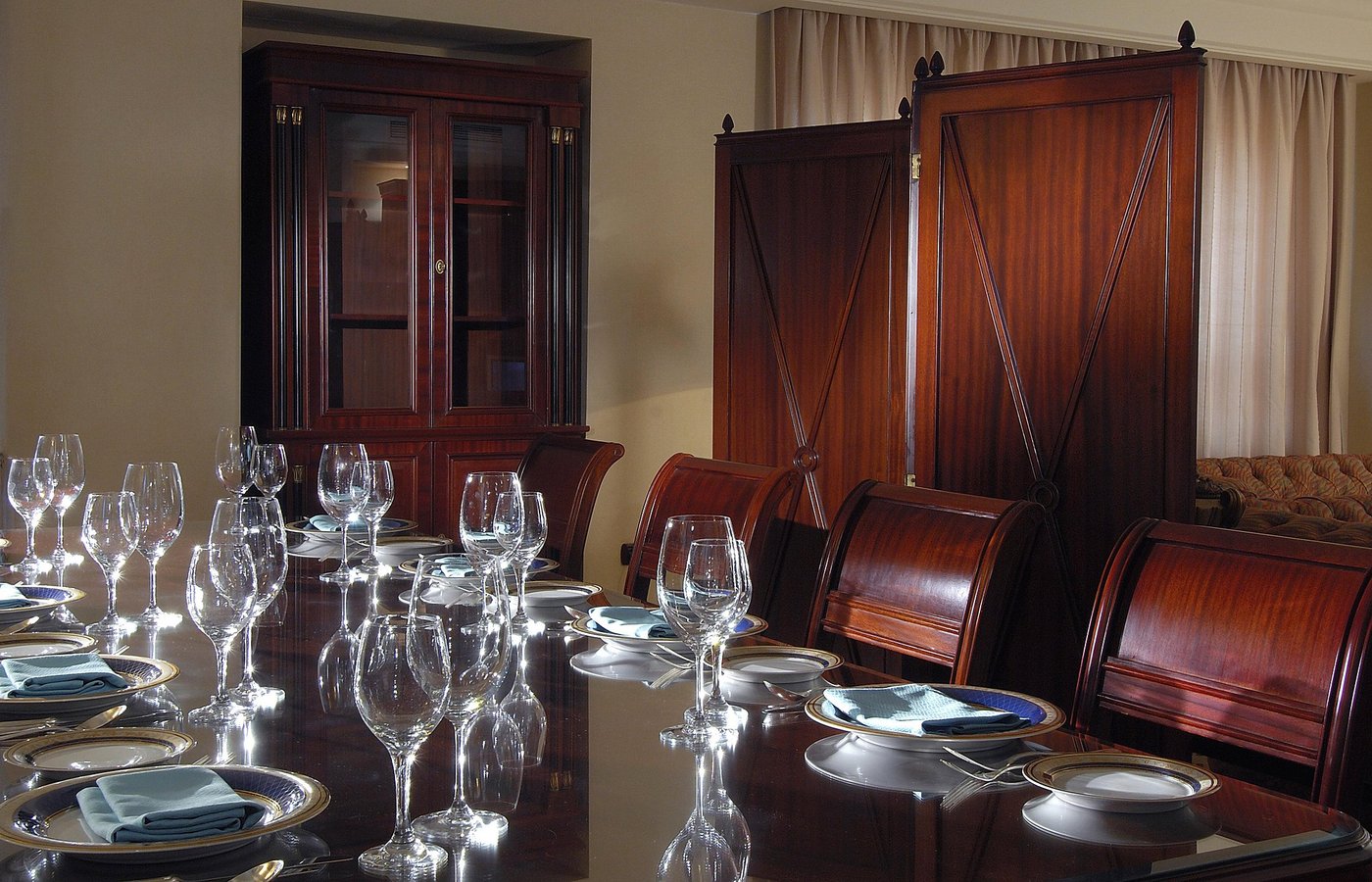
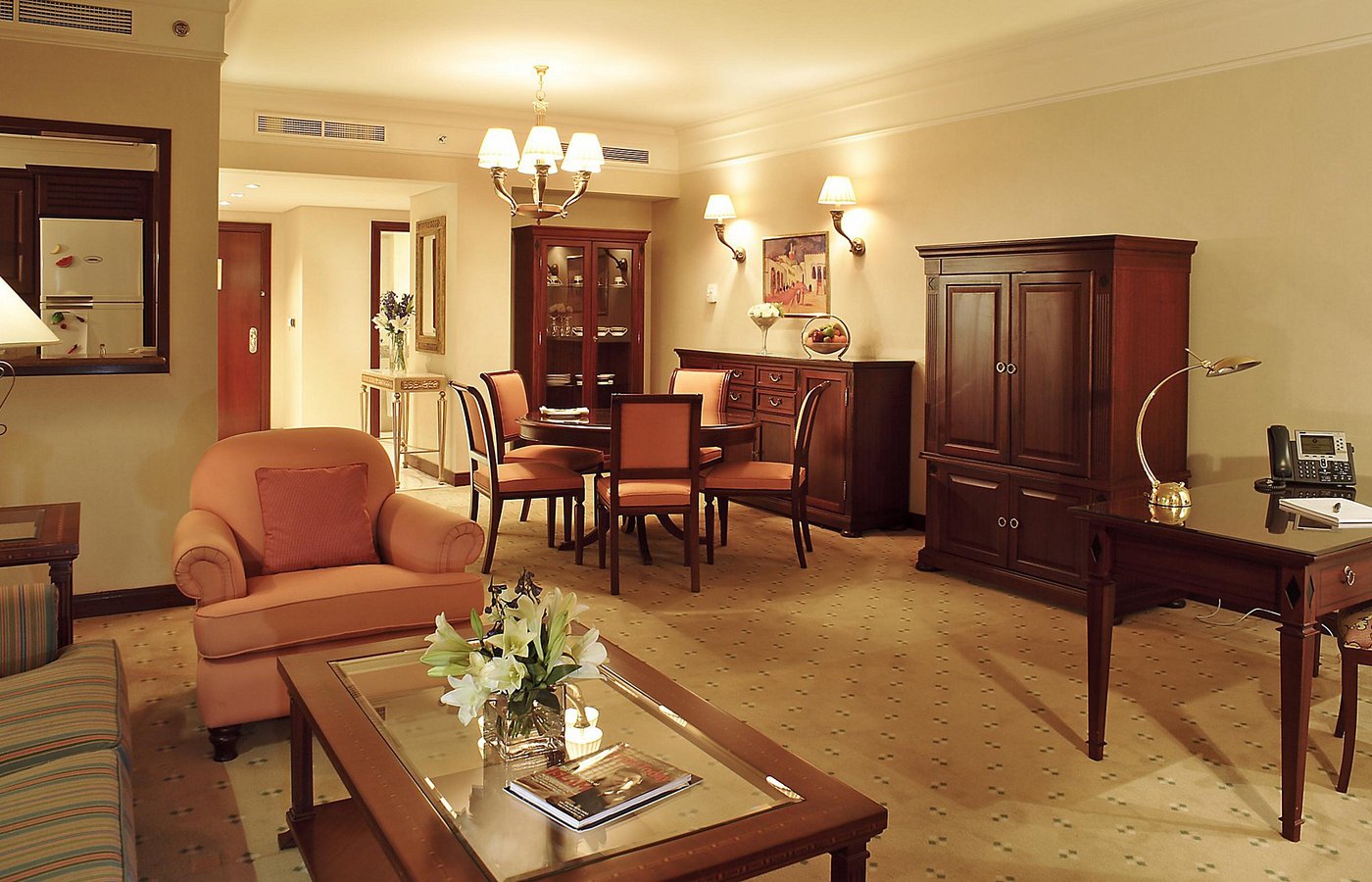
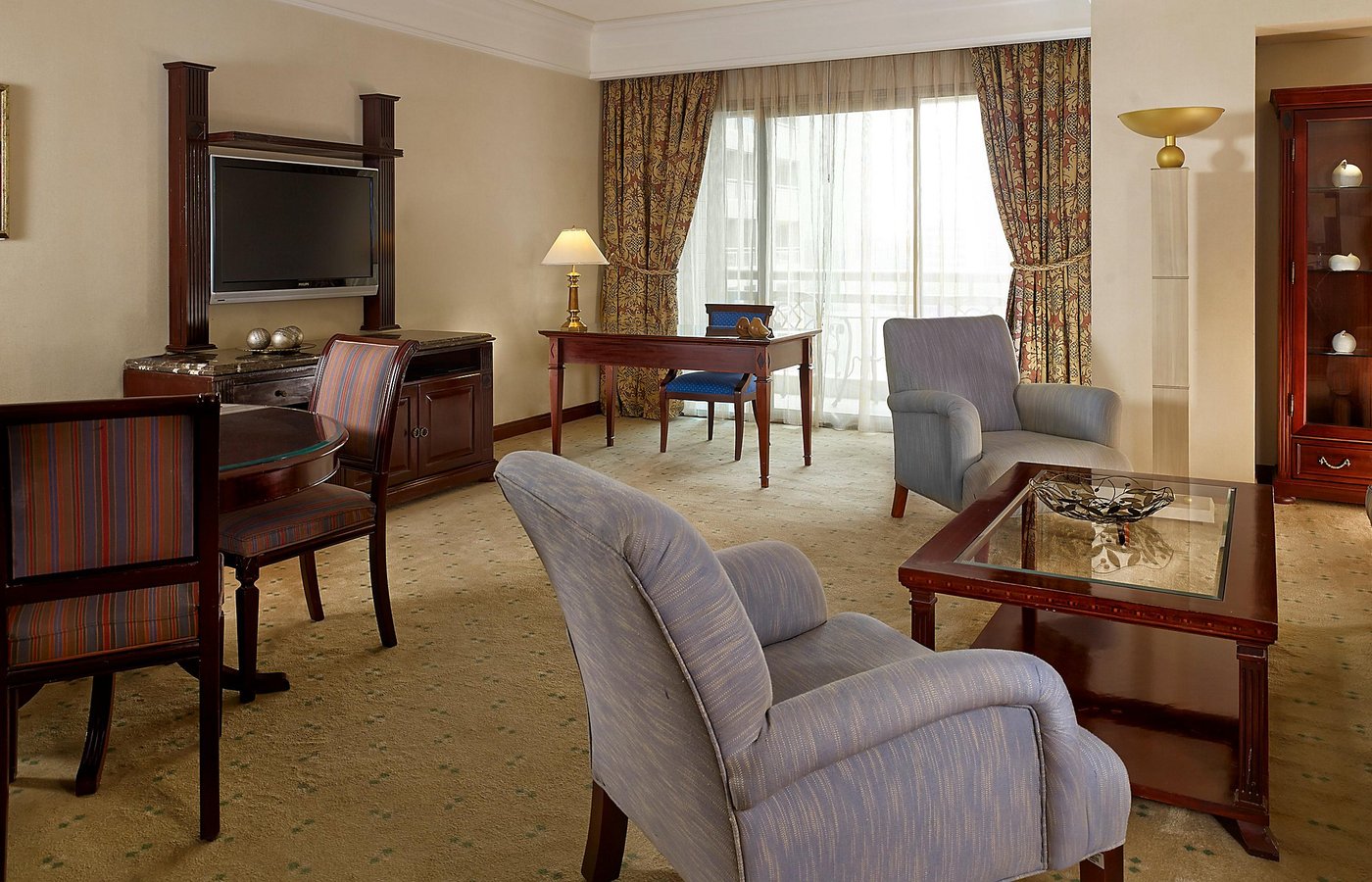
- Mon - Fri: Four Seasons at first Residence or Fairmont Nile City Hotel - Pyramids or Nile View Room – on bed and breakfast.
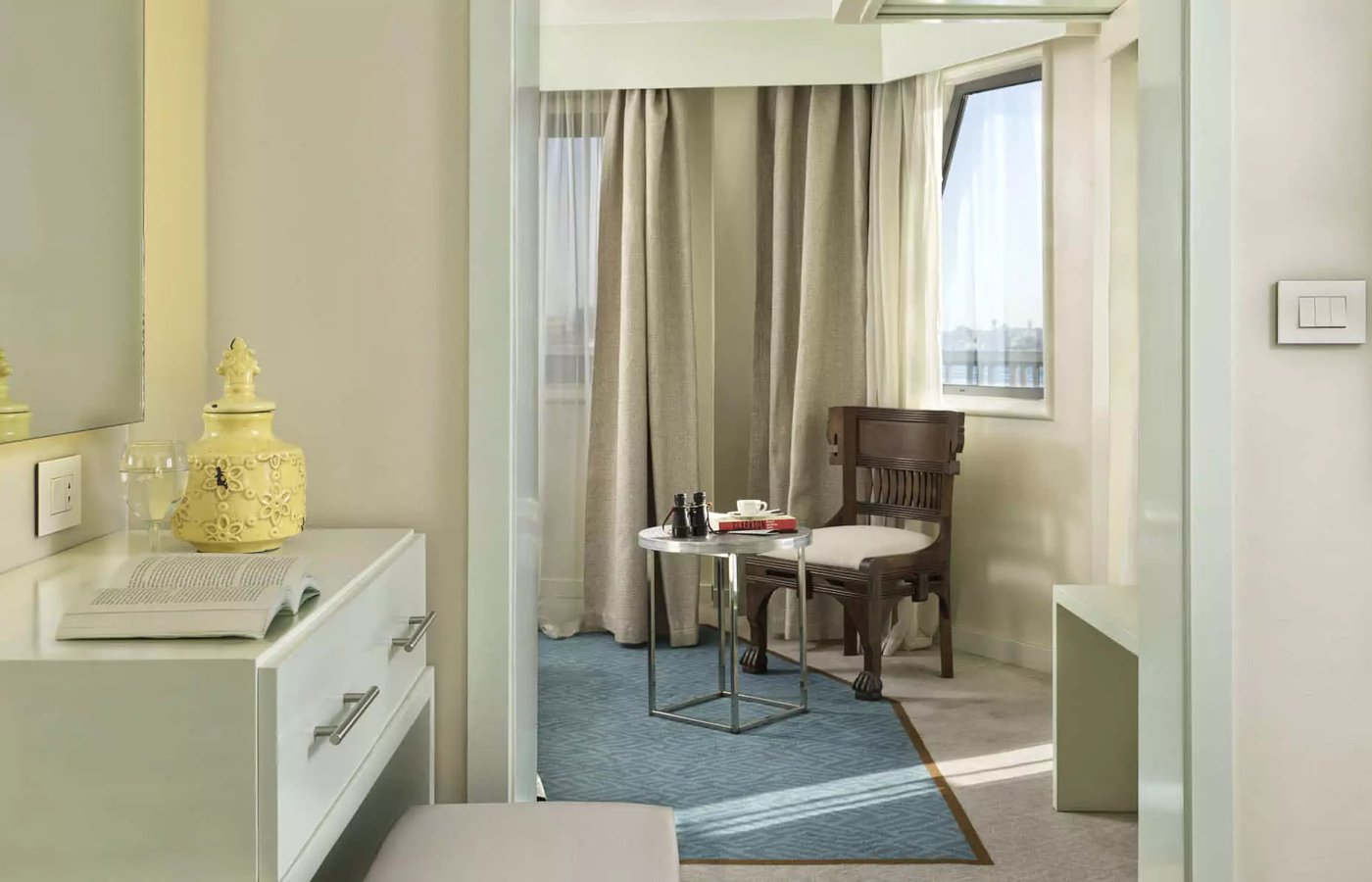
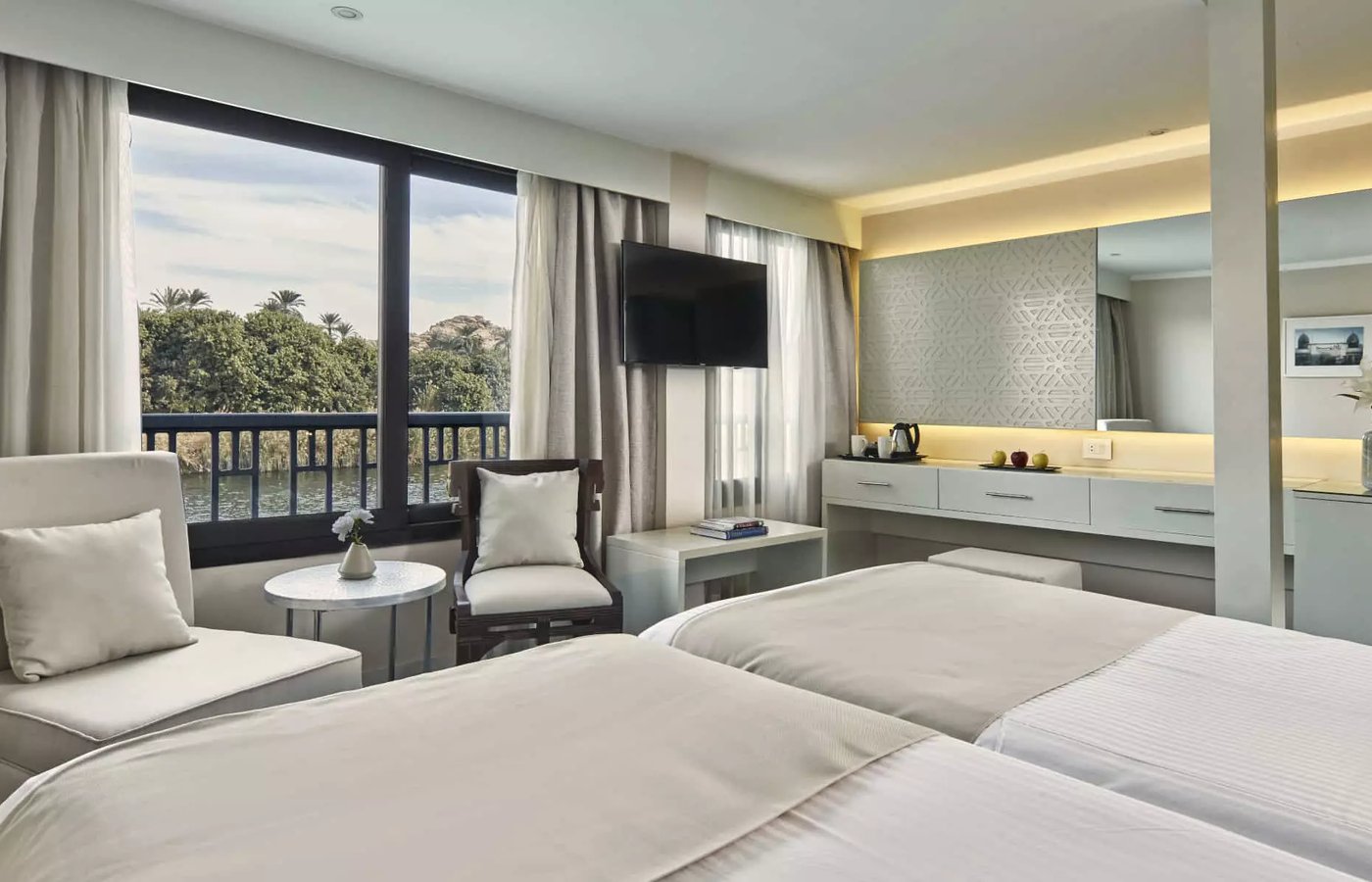
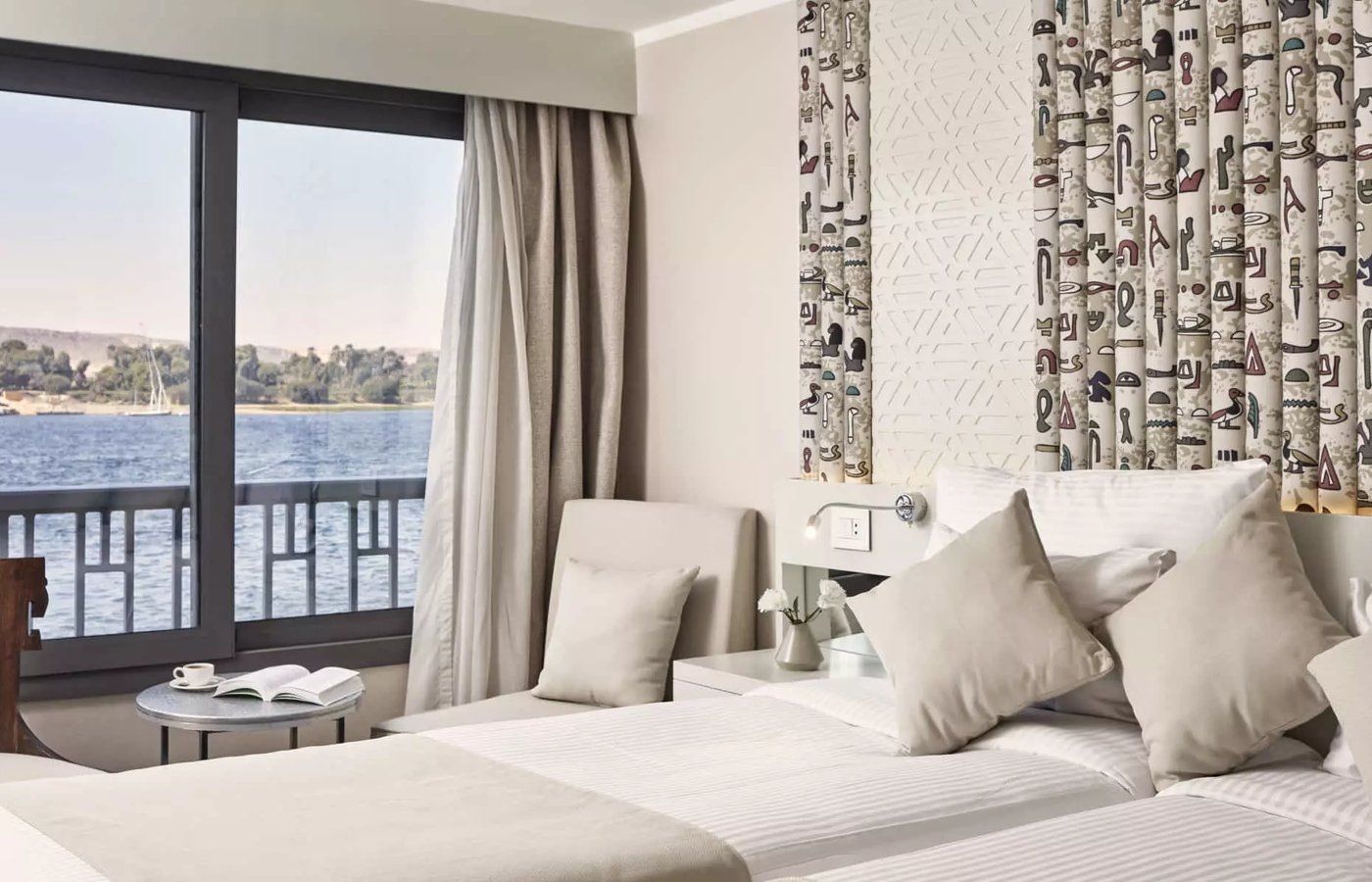
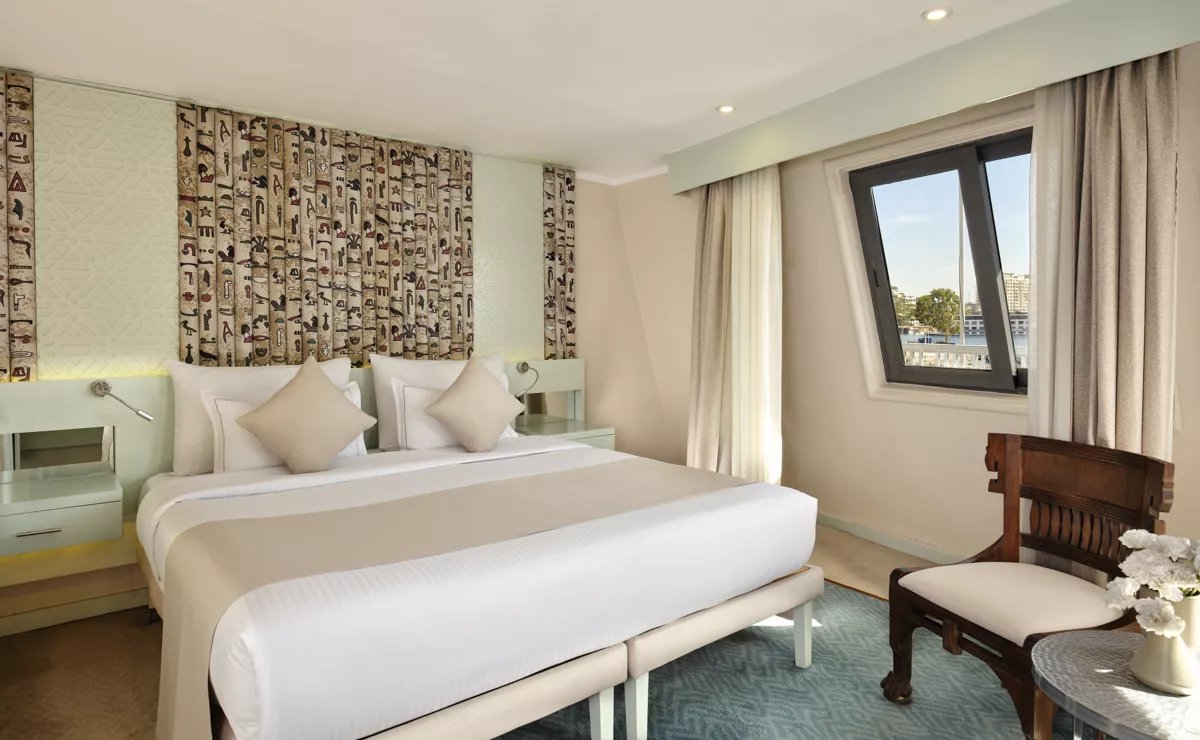
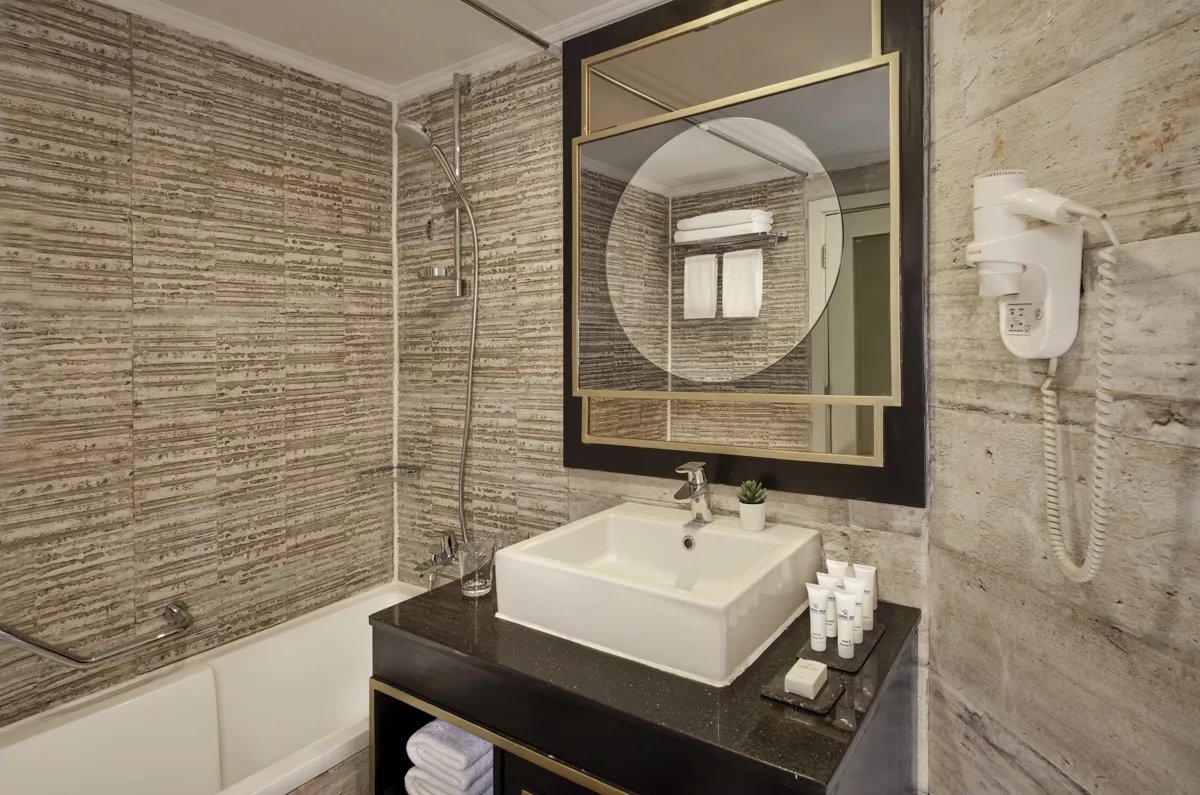
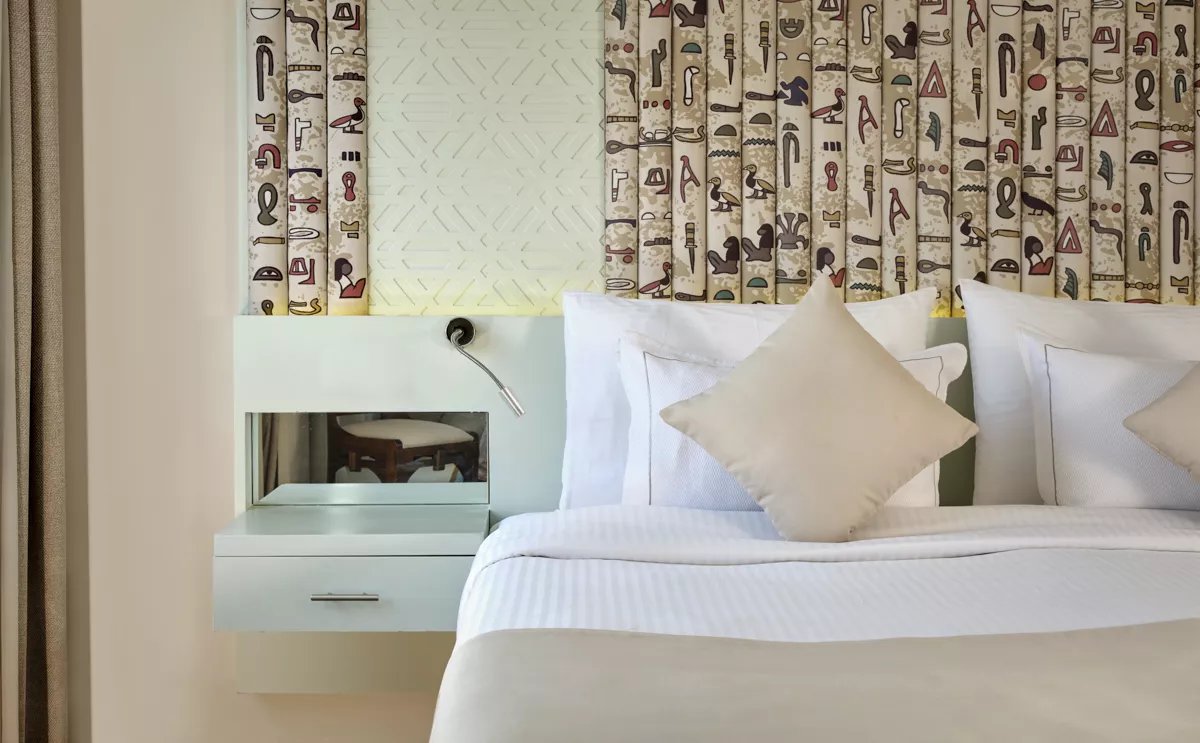
- Fri - Mon: Ms. Tulip – Outside Cabin – on full board.
- Mon - Thu: Intercontinental City Stars Hotel or Le Meridien Airport Hotel – on bed and breakfast.
Transfers:
- Mon: Arrival transfer to your Hotel from Cairo Airport
- Fri: Transfer from your hotel to Cairo airport to fly to Aswan
- Fri: Transfer from Aswan Airport to Your Nile Cruise
- Mon: Transfer from your Cruise to Luxor Airport to fly to Cairo
- Mon: Transfer from Cairo Airport to your Hotel
- Thu: Final transfer from your hotel to Cairo Airport for final dep.
Sightseeing:
- Tue: Full-day pyramids, Sphinx, and Grand Egyptian Museum include Guiding, Lunch, Entrance fees, and A/C Bus model 2022.
- Wed: Full-day Memphis, Sakkara, and old Cairo tours include Guiding, Lunch, Entrance fees, and A/C Bus model 2022.
- Thu: Full-day Faiyum, including Guiding, Lunch, Entrance fees, and A/C Bus model 2022.
- Fri - Mon: 4 Days cruise Sightseeing as per program including Guiding, Entrance fees, and A/C Bus model 2022.
- Mon: Egyptian family dinner
- Tue: Full-day Alexandria, including Guiding, Lunch, Entrance fees, and A/C Bus model 2022.
- Wed: Full-day Cairo National Museum of Egyptian Civilization, Citadel of Salah Eldeen, Alabaster Mosque, and Khan Al - Khalili Market include Guiding, Lunch, Entrance fees, and A/C Bus model 2022.
Free Items:
- Camel ride
Not included:
-
Entry visa to Egypt (USD 30)
-
Tipping and personal expenses
-
International and domestic flights
-
Optional tours
-
Fast Track airport services
-
Cancellation Insurance